The EU’s surprisingly hostile stance towards microstates
A little-known provision of the Lisbon Treaty has helped create a peculiar halfway house between EU membership and non-membership, allowing Europe’s microstates to integrate deeply with the European Union without actually joining it, effectively rendering them Schrödinger’s EU member states.
Andorra, Liechtenstein, Monaco, San Marino, and Vatican City remain outside the EU. Andorra is the largest by population, with around 89,000 inhabitants. All except Liechtenstein use the euro, although Andorra, Monaco, and San Marino do so under monetary agreements with the EU.
While the Vatican is highly unlikely to seek EU membership, there has been varying interest in closer integration among the other four. San Marino held a referendum in 2013 on applying for EU membership, with 50.3 per cent of votes cast supporting the proposal. However, turnout fell below the required threshold, rendering the result invalid.
Article 8 of the Treaty on European Union commits the EU to developing a “special relationship” with neighbouring countries, based on prosperity, stability, and good neighbourly relations. A declaration attached to the Lisbon Treaty specifically addresses relations with European microstates.
In 2013, the European Commission examined how Andorra, Monaco, and San Marino could participate more fully in the EU internal market. It concluded that joining the European Economic Area was not considered viable at the time for “political and institutional reasons”, while association agreements offered a more flexible alternative. Negotiations subsequently began with all three states in 2015.
Andorra, Monaco, and San Marino use the euro under agreements with the EU, although they have no representation in the European Central Bank or EU institutions. Monaco participates in the Schengen system through its arrangements with France, while Andorra and San Marino remain outside Schengen but have special arrangements governing their borders with neighbouring EU states.
Liechtenstein is a member of the European Economic Area, giving it extensive Single Market access, and joined Schengen in 2011. Its government continues to regard the EEA as the foundation of its relationship with the EU.
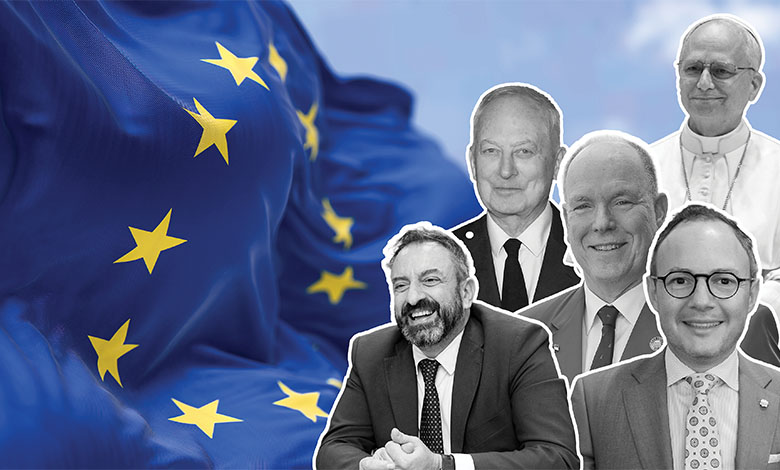
Andorra has likewise opted for association rather than membership, with Prime Minister Xavier Espot Zamora describing the agreement as “the best way” to maintain the country’s existing position while creating opportunities for younger generations. Monaco also pursued an association agreement before negotiations were suspended in 2023.
The EU’s approach therefore looks less like a legal ban on microstate membership than a deliberate attempt to make membership unnecessary. Article 49 of the Treaty on European Union remains open to any European state meeting the accession criteria because there is no population threshold preventing a microstate from applying.
However, Article 8 and the framework subsequently built around it have given Brussels the option of allowing microstates to come remarkably close to the EU while remaining outside it.
In July 2026, the Council authorised an association agreement with Andorra and San Marino designed to bring them into the EU internal market while accommodating their “small populations and particular circumstances”.