Ireland’s EU presidency: Opportunities for transport
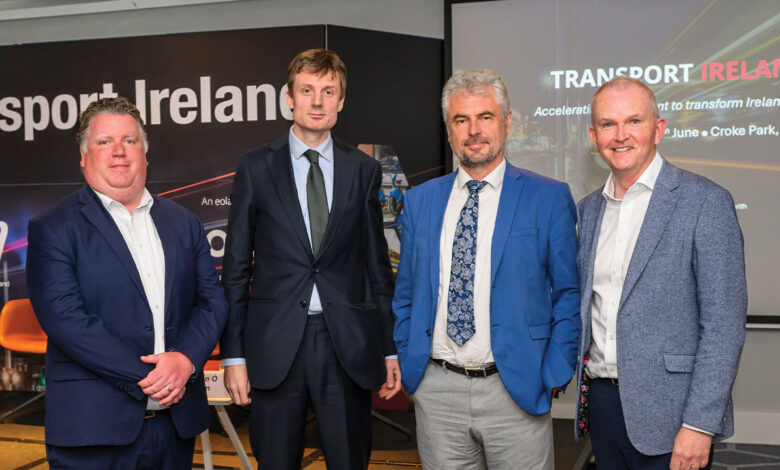
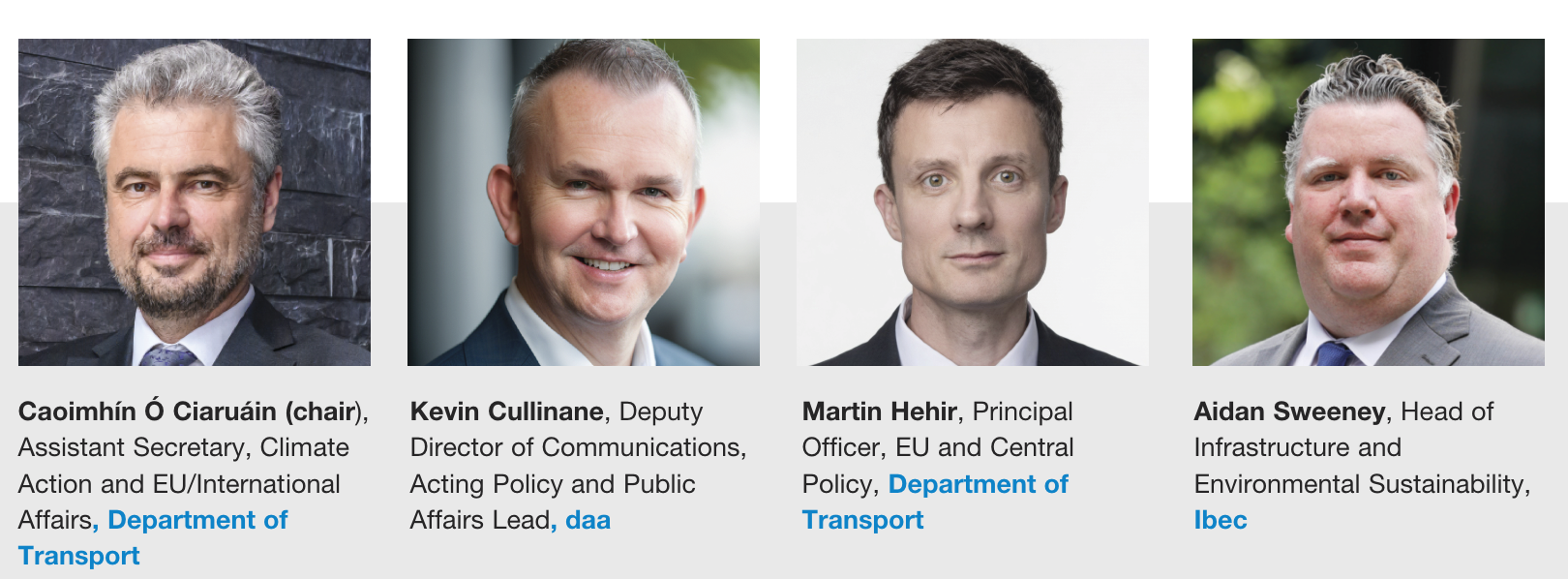
At eolas Magazine’s annual Transport Ireland conference, Department of Transport Assistant Secretary Caoimhín Ó Ciaruáin chaired a discussion with senior transport decision-makers looking ahead to Ireland’s upcoming presidency of the Council of the European Union.
What are the key priorities and themes for Ireland’s upcoming Presidency of the Council of the European Union?
Martin Hehir
The transport agenda centres on four themes: competitiveness, decarbonisation, delivering for citizens, and resilience. Transport is increasingly viewed as an enabler of growth, trade and the Single Market. While Green Deal ambitions remain, the focus is shifting from target-setting to delivery, investment and practical implementation. Passenger rights, ticketing and multimodal travel will remain important for citizens, while security, preparedness and resilience have become central as transport policy increasingly intersects with climate, energy and geopolitical concerns.
Kevin Cullinane
Aviation is critical to Ireland’s connectivity and competitiveness. Airports support trade, tourism and investment, and continued infrastructure investment is essential for a small, open island economy. The Presidency gives Ireland an opportunity to contribute to policy discussions on connectivity, climate action, and economic growth while ensuring aviation remains central to Europe’s competitiveness agenda.
Aidan Sweeney
Competitiveness and resilience should be at the core of the agenda. Transport is vital for peripheral and island economies, and Ireland should use the Presidency to build alliances around shared priorities in aviation, maritime transport and connectivity. Funding discussions, including the next Multiannual Financial Framework (MFF), will be critical, but so too will ensuring that policies are implemented effectively through faster permitting, licensing and infrastructure delivery.
What are the prospects for the Connecting Europe Facility (CEF) during the Presidency?
Martin Hehir
The proposed expansion of the Connecting Europe Facility is positive for transport investment. While negotiations may extend beyond Ireland’s Presidency, the programme provides significant opportunities for Irish transport stakeholders. Ports, their hinterlands and strategic rail links are increasingly recognised as cross-border infrastructure, strengthening Ireland’s case for future funding.
What progress would you like to see on sustainable aviation and decarbonisation?
Kevin Cullinane
Reform of the Single European Sky remains important, improving efficiency and reducing emissions. Sustainable aviation fuels (SAF) will be part of the solution, but production capacity remains limited. Ireland has opportunities through assets such as Whitegate and through its strong aviation ecosystem. Airlines are already investing in newer, more efficient fleets, while airports continue reducing their own emissions. The challenge is achieving significant emissions reductions across the wider aviation system.
Aidan Sweeney
Europe needs a more strategic approach to SAF and alternative fuels. Decarbonisation, resilience, and energy security should be considered together. The focus should be on creating the regulatory certainty and investment environment needed to scale infrastructure, whether for SAF, electrification, hydrogen or maritime fuels. Grid capacity, permitting, and private-sector investment will all be critical to delivery.
What transport files are likely to be priorities during the Presidency and how do we balance competitiveness, resilience, and decarbonisation?
Martin Hehir
Key files include the Connecting Europe Facility, aviation strategy, and air services regulation. Decarbonisation work will focus on vehicle emissions standards, clean fleets, and emissions trading in aviation and maritime. Passenger-focused measures include digital ticketing, multimodal travel, and rail passenger rights. Road safety, military mobility, and wider resilience measures will also feature prominently.
Aidan Sweeney
There is a risk that resilience becomes synonymous with protectionism. Europe must ensure policies support decarbonisation while remaining practical for smaller economies. Access to technology, equipment, and investment is essential. At the same time, resilience must include protecting critical infrastructure and ensuring Europe remains competitive while achieving climate goals.
The energy crisis will be a topic during the informal ministerial discussions. What lessons should be taken from it?
Aidan Sweeney
Energy policy must remain a priority beyond any immediate crisis. Europe needs faster infrastructure delivery, stronger grids and greater regulatory certainty. Policymakers should also consider how to respond more flexibly during crises, drawing on lessons from Brexit, Covid-19, and recent supply-chain disruptions.
Kevin Cullinane
The crisis has highlighted the risks of dependence on volatile energy sources and infrastructure bottlenecks. Resilience requires diversification, stronger networks, better preparedness and investment in renewables, alternative fuels, strategic infrastructure, and supply-chain security.
Looking back at the end of the Presidency, what would success look like?
Martin Hehir
Progress on the road safety package would be a significant achievement. More broadly, success would mean advancing discussions on resilience and decarbonisation while helping transport sectors adapt to changing geopolitical and energy realities. The Presidency provides an opportunity to maintain momentum on climate action while supporting competitiveness and long-term resilience.
Aidan Sweeney
Ireland should also highlight its strategic role in aircraft leasing, where it manages the majority of leased aircraft globally. This is a major European asset and should be recognised as part of future discussions on aviation, sustainability, and competitiveness.