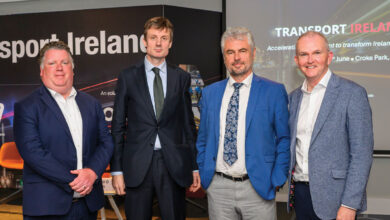
Darragh O’Brien TD on investing in transport infrastructure
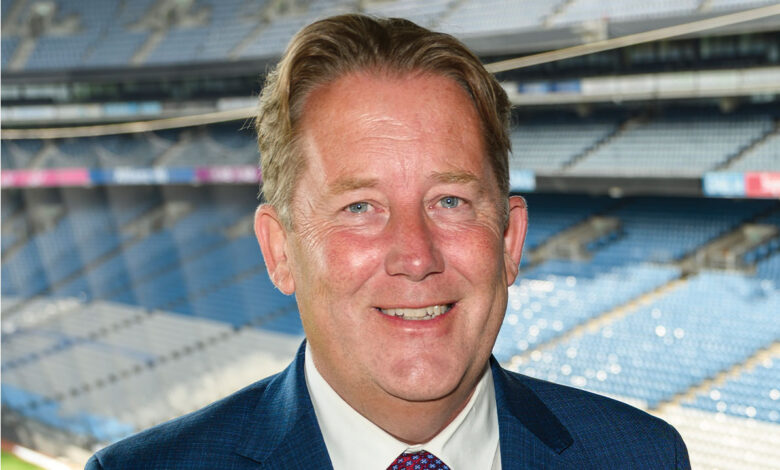
I remain committed to delivering a modern, sustainable and integrated transport network that supports economic growth, regional connectivity, and climate action, writes Minister for Transport Darragh O’Brien TD.
Continued investment in transport infrastructure and services is essential to meeting the needs of our growing population and ensuring that people and businesses can travel safely, efficiently, and reliably across the country.
The National Development Plan for Transport, which was published in 2025, outlines the pathway for the most ambitious and transformative investment in transport projects in the history of the State.
It commits €24.3 billion to a diverse range of transport options, including public transport, active travel, roads, maritime, and aviation over the next five years.
Some of the key transport priorities in the NDP include the development of MetroLink in Dublin, the expansion of the DART+ network, and the rollout of BusConnects across Dublin, Cork, Galway, Limerick, and Waterford.
The plan also places a strong emphasis on active travel infrastructure such as cycling and walking facilities, upgrades to national and regional roads, continued investment in rail services and fleet electrification, and the expansion of electric vehicle infrastructure to support decarbonisation and more sustainable and accessible transport across Ireland.
MetroLink is now finally becoming a reality, marking the beginning of the delivery of one of the most significant public transport projects in the history of the State with €2 billion invested in the project for the first time.
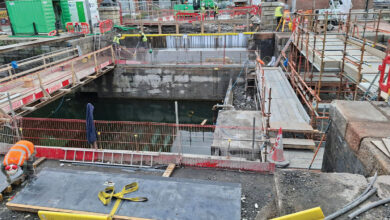
This transformative project will be a game-changer for North County Dublin, the wider region and the country, unlocking greater access to housing, jobs, and education, while also reducing congestion and emissions. It is happening. Groundworks are already underway in several areas, with major construction due to commence in August or September 2027.
The rollout of contactless fare payments across all public transport, while also keeping fares low and affordable remains a key priority in delivering a more modern, accessible, and user-friendly public transport system. Contactless fare payments, or next-generation ticketing, will initially be introduced as part of BusConnects Dublin before being delivered nationwide, including on Bus Éireann services. I want public transport to be reliable, accessible, and modern.
My department and the National Transport Authority are making, and will continue to make, significant efforts to implement next-generation ticketing across the country over the coming years.
I have met with the National Transport Authority and Spanish technology company Indra Sistemas on a number of occasions and emphasised the importance of this project and the desire of both government and public transport users to see it implemented without delay.
It will replace the Leap Card system, which has served more than 9 million users since its launch in 2011. The initial focus of this project is on the Greater Dublin Area. It will be rolled out across four phases, with phase one due to launch in summer 2027.
In 2025 alone, public transport journeys across the country exceeded 360 million and, to keep pace with growing demand, we have an ambitious programme of delivery underway, as outlined.
But we also need to sure a safe public transport experience for passengers and staff. I am continuing to progress the establishment of a transport security force as a key priority.
Substantial progress has been made in recent months, with extensive engagement underway involving the NTA, operators, trade unions, passenger groups, An Garda Síochána, and the Department of Justice.
A proposed model for the force is currently under detailed consideration and further stakeholder meetings are scheduled to discuss a finalised proposal and seek agreement on the preferred approach. Following this process, I intend to bring a memo to government outlining the agreed model, key decisions, and next steps.
In parallel, my department and the NTA are advancing the legislative proposals required to establish the force with a view to progressing the foundations of the force during 2026.
Our aviation sector is one of the strongest and most strategically important sectors of the Irish economy. And critically important for our country, in terms of connectivity and economic growth, is the removal of the Dublin Airport passenger cap.
It was a key commitment in the Programme for Government, and we have acted swiftly and decisively on that commitment. We are now in the final stages of bringing the relevant legislation to government to empower me to remove the passenger cap, which will drive further connectivity and growth, with Dublin airport now established as one of the strongest and most significant airports in Europe.
Regional connectivity is also vitally important in supporting balanced economic growth across the country. There is continued significant investment in our regional airports – Cork, Shannon, Donegal, Kerry and Ireland West – which play a key role in strengthening tourism, trade, and business links, ensuring that all parts of Ireland remain well connected to key domestic and international markets.
We have record investment of €1.5 billion in 2026 in our road network across the State, supporting both new projects and road renewal. We now finally have the green light for the Galway Ring Road, with planning approval from An Coimisiún Pleanála following decades of delays.
The Adare bypass is progressing towards completion, while the N5 Ballaghaderreen-Scramoge scheme forms part of a major west of Ireland route upgrade. In Cork, the M28 Cork to Ringaskiddy project will unlock key access to Cork Harbour.
This government is committed to unlocking potential and removing barriers to key projects across the country. I am confident that, during the lifetime of this government, we will deliver a transformative impact on Ireland’s future in how we live, how we travel, how we build homes around our transport network, and how we grow our economy in a sustainable way.
That means delivering critical infrastructure more quickly, advancing transport corridors that unlock housing, strengthening our energy system to support growth, and ensuring that every region of the country benefits from investment and opportunity.