Dublin’s tram run the Dublin way
Ask any business bidding for a contract across the world and you will hear a version of the same line: that they will combine their global scale with deep local knowledge. It is, by now, almost a corporate cliché. It is also true of our plans for how we will operate the Luas. The difference is in what comes next; in how you apply it day to day, on Abbey Street and St Stephen’s Green, and out to Tallaght and Sandyford.
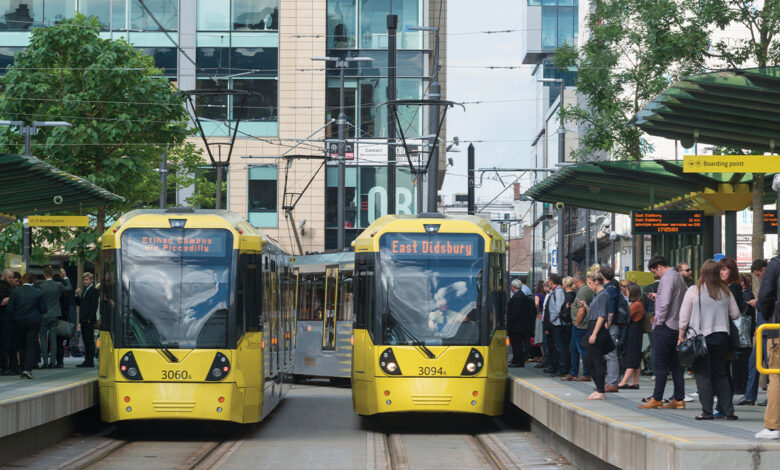
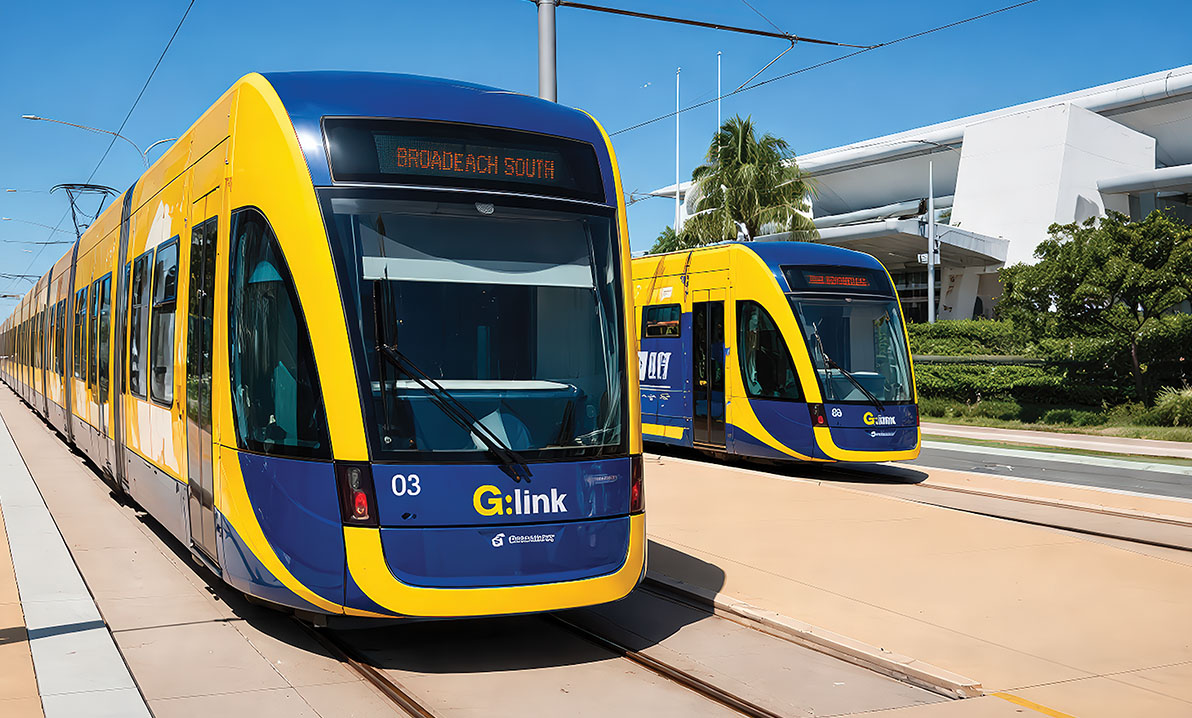
Keolis is the world’s leading operator of trams and automated metros. We run networks across more than a dozen countries on four continents. In Manchester, we operate Metrolink, the UK’s largest tram network. We are also present in Boston, Hyderabad, Bordeaux, Australia’s Gold Coast, and London, operating a range of trams, trains, and metros.
That matters particularly when introducing and evolving complex urban transport systems. Keolis has extensive experience not only operating metros and trams, but launching them: helping cities establish operating models, undertake testing and commissioning, train workforces, and bring entirely new fleets and networks into passenger service.
We are doing that today on major metro projects in Paris and have supported similar programmes in places including Dubai and Hyderabad. The value of that experience is not confined to metros themselves.
Some of the most useful operational lessons come from moving between different environments. The point is not to make Dublin look like another city, but to ensure Luas benefits from a much wider pool of operational learning and problem-solving experience.
One of the clearest expressions of how this works in practice is something we call our ‘Signature Service’. It is a method, not a manual, and is the structured way we develop the everyday signals that frame a passenger’s experience: the way staff greet riders boarding at the start of a route or handle a service disruption, the gestures and language that, taken together, make a journey feel cared for rather than simply processed.
Our Signature Service is not a script imported from another network. It begins by listening.
The first phase is co-construction: structured interviews with frontline staff, focus groups that bring drivers and customer-facing teams together with passengers themselves, and workshops with the transport authority. The point is to surface what a network already knows about itself: where the friction sits on the customer journey, what staff already do well, where small adjustments would make the biggest difference.
This sounds intangible. It is not. The discipline of doing it methodically produces measurable results, and those results travel. After work in Manchester, customer attitude scores rose by eight points on the tram network. In Adelaide, Net Promoter Scores rose by 11 points where staff greeted passengers, and the network won the Australian Service Excellence Award. In Hyderabad, customer complaints relating to staff attitudes fell by 60 per cent in the months following implementation.
What this means for Dublin is straightforward. The people who operate Luas today will still run Luas tomorrow. They are the network’s deepest asset: drivers, controllers, maintenance, and operations staff who know the system, the route, the regulars.
What we bring is not a replacement for their knowledge but a structured way to surface it, codify it, and connect it to what is being learned in 24 other Keolis tram subsidiaries by more than 12,000 customer-facing staff around the world.
That cross-network connection is the part of “global expertise” that is hardest to see and easiest to undersell. When a Manchester, Boston, or Bordeaux team finds a better way to communicate with passengers during a power outage, it is shared via our Centre of Excellence for Metro and Tram in Lyon, so our team on the ground can draw on it.
The service handles the customer-facing dimension. Alongside it, we run parallel programmes to industrialise and harmonise operations and maintenance practices across the group. The aim is the same in each case: take the best of what one network has worked out, and make it available to the others while leaving the frontline decisions where they belong, with the people on the ground.
A principle runs through all of this. The quality of the experience a passenger has is closely linked to the quality of the experience staff have. A driver who feels listened to and well-supported becomes a different presence on the platform.
So, what does global expertise applied locally mean for Luas?
It means that the Dublin tram service of the next decade will not look like Manchester’s, Gold Coast’s, or Dijon’s. It will look like Dublin’s; developed using a method refined across 24 networks and four continents, with the benefit of a peer group of operators sharing what works in real time. It means investment in the people who already make Luas what it is. It means a structured commitment to the customer experience, with measurable outcomes tracked over the long term.
And it means that when an operational challenge arises in Dublin, and they will arise, we will not be solving it alone. We will be solving it with the experience of every Keolis network behind us, applied to the realities of this city, this network, and these passengers.
That is the work that begins now.