Byelections raise questions for Sinn Féin and Fianna Fáil
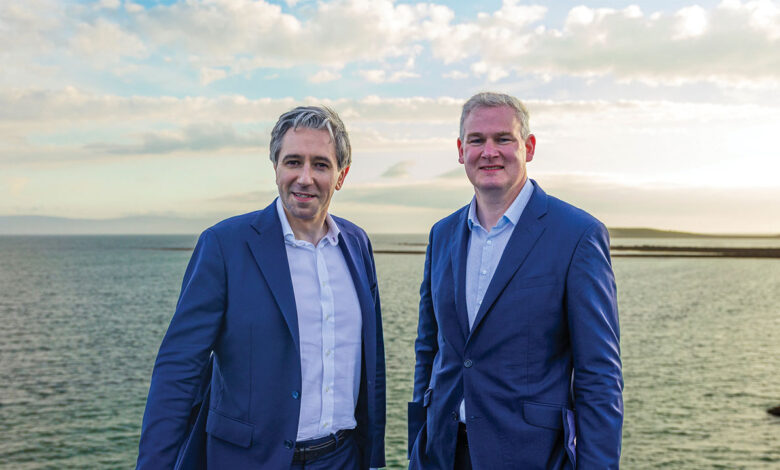
The results of the May 2026 byelections in Galway West and Dublin central raise some questions for Sinn Féin, and spell disaster for Fianna Fáil.
The broad peculiarity of byelections was demonstrated in both results. Galway West, formerly the seat of one of the most left-wing TDs in the State in president Catherine Connolly, was picked up by Fine Gael. Meanwhile Dublin Central, a seat formerly held by Paschal Donohoe, one of the most fiscally conservative TDs in the State, was picked up by the Social Democrats.
Although Fine Gael made no net gain through these results, the fact that, through Seán Kyne’s victory in Galway West, the party won a byelection in government for the first time since 1973 is a significant boost for party leader and Tánaiste Simon Harris, who has had a tempestuous time leading Fine Gael.
Daniel Ennis’ victory in Dublin Central is a significant boost for the Social Democrats’ quiet revolution, as the party aims to become the kingmakers and has significantly set itself out from Labour and the Green Party as the new centre-left alternative to Sinn Féin.
18 months on from the last general election, Sinn Féin is in a prime position to be riding high leading the opposition, with the Government not enjoying any boost in popularity and a broad left coalition having swept Catherine Connolly into Áras an Uachtaráin in 2025.
The two seats up for election, one in a Gaeltacht and urban area and another in a mostly working class constituency in the Dublin inner city, should have been rich pickings for Mary Lou McDonald’s party. The party did not poll disastrously in Dublin Central, but the results there show that the party is significantly less transfer friendly to Fine Gael, Fianna Fáil, and Labour voters than its new centre-left rival, the Social Democrats, are.
In Galway West, where Sinn Féin won nearly 14 per cent of the vote in the general election, the party’s vote fell significantly to under 7 per cent. Taken together, the two results suggest that much of the electorate continues to have serious misgivings about the party and there is a lack of enthusiasm among the electorate about Sinn Féin being an alternative to the two legacy parties.
For Fianna Fáil, the result in Dublin Central marks a nadir for the party in the constituency which once elected Bertie Ahern. Fianna Fáil has struggled in Dublin ever since the 2011 election, which has promoted widespread calls for the party’s next leader to be from the city.
Back in 2007, the party polled more than 44 per cent of first-preference votes in Dublin Central. However, the constituency has not elected a Fianna Fáil TD in any of the four general elections since, and John Stephens’ 1,049 first preference votes in the byelection was far below the likes of independent convicted criminal Gerry Hutch, far-right independent Malachy Steenson, People Before Profit, and the Green Party, and marks an embarrassing new low for the party in Dublin Central.
Even having Bertie Ahern on the doorsteps proved a liability for the party, with the former Taoiseach recorded during the campaign agreeing with racist sentiments about “the Africans” by a voter on the doorstep, for which Ahern subsequently apologised.
While the party polled somewhat better in Galway West, it was never a serious contender to win the seat. Éamon Ó Cuiv, a critic of Micheál Martin who was a Galway West TD between 1992 and 2024, has said that the results are due to an abandonment of Fianna Fáil’s traditional values, and has said that Catherine Connolly’s election as President was in part due to her advocacy of two of Fianna Fáil’s traditional core objectives: the Irish language and the North.
Martin has pledged that there will be a party reflection on the results, although exactly how this will manifest is unclear. Either way, the results will have done little to boost his prospects of holding onto the Fianna Fáil leadership after the EU Council Presidency.
|
Galway West: Fine Gael gain from independent Dublin Central: Social Democrats gain from Fine Gael |