Minister Frank Feighan TD: ‘Digital transformation is about better outcomes for people’
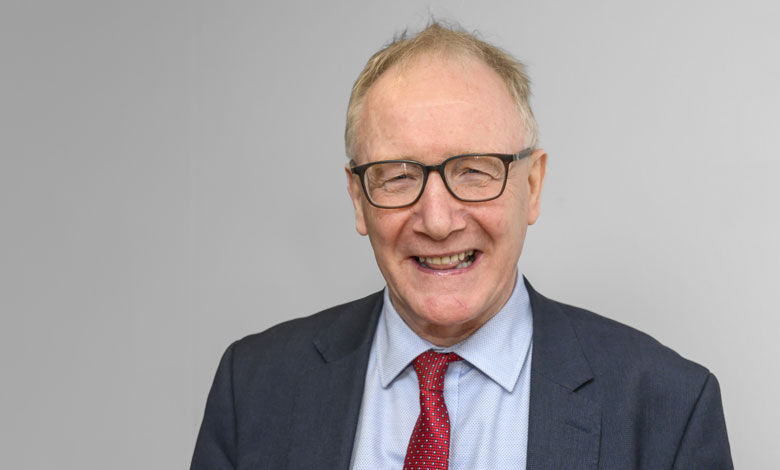
Digital transformation is essential to the future sustainability of public services but must be aimed at delivering better outcomes for citizens rather than adopting technology for its own sake says Frank Feighan TD, Minister of State at the Department of Public Expenditure, Infrastructure, Public Service Reform and Digitalisation with special responsibility for Public Procurement, Digitalisation and eGovernment.
Minister of State Feighan sets out the Government’s priorities for digital transformation, framing them around three questions: where we are now, where we are going, and how we intend to get there.
The Minister says Ireland is operating in a period of rapid technological change and rising public expectations. Citizens now expect public services to match the convenience of digital banking, delivery tracking, and instant access to information.
At the same time, he points to growing structural pressures on the system, including demographic change, increased demand for services, tight labour markets in the public sector, cybersecurity risks, and the need to ensure inclusion for those who may be digitally excluded.
In this context, Feighan says digital transformation is “fundamental to the sustainability, accessibility, and quality of public services”.
However, he stresses that transformation is not about technology in isolation. “It is about better outcomes for people. It is about simpler journeys, faster decisions, clearer information, and services that are designed around real lives.”
Better Public Services
Feighan says that the Government’s Better Public Services strategy, which he describes as the overarching framework for reform and improvement, is built around putting people first, using data and technology intelligently, building capability across the public service, strengthening collaboration between organisations, and improving accountability and performance.
Digitalisation, he says, is a key enabler across all of these areas, helping to simplify processes, reduce duplication, support staff with better tools, and give citizens more control over how they access services.
Digital Public Services Plan 2030
Feighan describes the Digital Public Services Plan 2030 as the national vision for the next phase of transformation.
Launched in November 2025, the plan sets two headline targets: that by 2030, 100 per cent of key public services will be available online, and 90 per cent of those services will be consumed online.
Feighan emphasises that these targets are about ensuring that digital services are high-quality, reliable, and attractive to use, while still maintaining non-digital alternatives for those who need them.
He says the benefits of achieving these goals would be significant: reduced paperwork, fewer repeated interactions, faster decision-making, improved transparency on application status, and increased capacity within the public service to focus on complex cases.
Designing around life events
One of the most significant shifts outlined in the speech was the adoption of a “life events” approach to service design.
Feighan says people do not interact with government through departmental structures, but through real-life moments such as becoming a parent, losing a job, moving home, retiring, or experiencing illness.
Under the plan, 189 services have been mapped across 17 life events. This, he says, provides a shared framework to design end-to-end journeys rather than fragmented transactions.
“Frameworks do not transform services. People do.”
The approach is intended to improve coordination between public bodies, enable lawful data sharing where appropriate, reduce duplication, and create a more human-centred experience. It also helps prioritise reform efforts by focusing on areas of greatest friction for users.
Inclusion by design
The Minister also places strong emphasis on inclusive service design, arguing that accessibility must be embedded from the start.
He says services should be designed with people with disabilities, older people, those with low digital skills, and individuals in vulnerable circumstances in mind from day one.
“When we design for people with amplified needs, we almost always produce better services for everyone,” he says.
This approach, he states, requires new skills and methods including user research, journey mapping, iterative testing and co-design, as well as a cultural shift towards earlier engagement with users.
Trust, data, and security
Feighan says that digital transformation must be underpinned by strong governance around data and cybersecurity. He stresses that public trust is essential, and citizens must be confident that their data is handled lawfully, securely, and ethically.
The Government, he says, is investing in stronger cybersecurity capabilities, clearer data governance frameworks, improved data-sharing arrangements where legally appropriate, and greater transparency about how data is used. He emphasises that trust and innovation are not in opposition: “If people trust the system, they will use it.”
Capability and delivery
The Minister says transformation cannot be delivered by a single department and requires a whole-of-government effort. This includes building digital and data skills, strengthening programme management, and improving collaboration between policy, operational, and technology teams.
Partnership with industry and academia will also be important, alongside leadership development across all levels of the public service.
Ultimately, Feighan says success depends not just on delivering systems, but on delivering outcomes: improved user experience, faster processing times, higher uptake, and greater productivity.
Transforming services
Concluding, Feighan says the ambition is to create public services that are easier to use, faster, more reliable, inclusive by design, secure, and sustainable.
He says Better Public Services and the Digital Public Services Plan 2030 provide the framework, but stresses that “frameworks do not transform services. People do.”
Acknowledging the work already underway across the public service, he thanks those involved for their expertise and commitment, and says he looks forward to continued collaboration in delivering what he describes as “a fundamental improvement in how the State serves its people”.