Developing offshore wind in Scotland
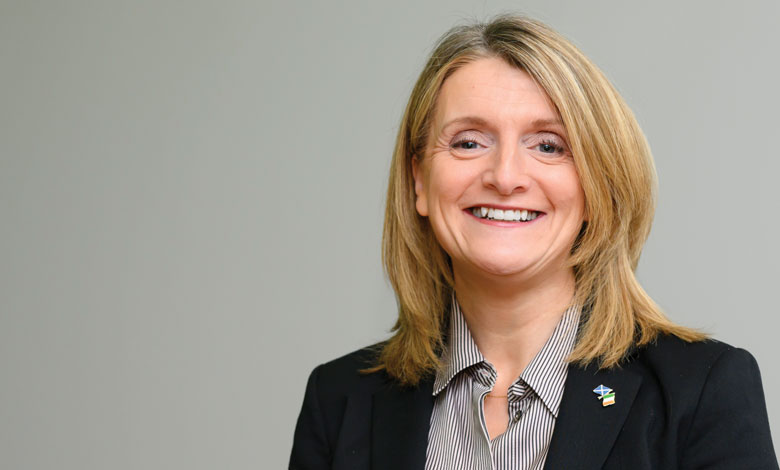
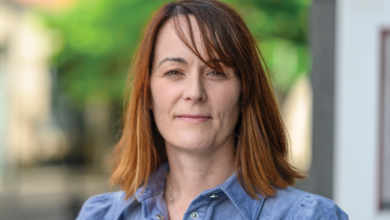
Michelle Quinn, director of offshore wind at the Scottish Government, talks to Ciaran Brennan about how Scotland has been successful in delivering offshore wind, its aims for the future, and what could work in Ireland.
Ciaran Brennan (CB): How does the Scottish Government approach offshore wind development?
Michelle Quinn (MQ): We are taking a very targeted approach to offshore wind. Two years ago, our First Minister announced that we would allocate £500 million towards the development of offshore wind infrastructure and supply chain. Since then, we have invested around £150 million in a range of interventions from ports to supply chain opportunities. We have allocated £12 million for skills over the next three years, and we have improved the clarity and speed of our planning approach. We have given much greater transparency to planning and the guidance around planning so that we get good planning applications that we can get through the system quickly. The £150 million that we have already invested has been a catalyst for further investment including £70 million from the UK Government institutions and £670 million from the private sector, bringing it up to a total of about £900 million. We believe that this investment will support in the region of 5,000 jobs. For us, that is just very much the beginning.
“The thing that has been absolutely essential for us has been commitment to improving the planning system, the flow through the planning system, and the transparency around that.”
CB: What opportunities are you aiming to exploit in the short term?
MQ: We are hoping now to continue to build on the early successes of the programme so that it becomes self-sustaining. We are particularly interested in the economic opportunities that will create, potentially, up to 49,000 jobs and we are keen to map out what that means for our supply chain companies including securing the long-term sustainability of those companies. It is key for us to look at other markets so that Scotland can build on its strengths but also encourage suppliers from other countries to work in the Scottish market and help to support our ambition of about 40GW of offshore wind deployed in Scottish waters as set out in our offshore wind policy ambition statement. That is a massive ambition for us. We are trying to put all our enabling infrastructure in place to be able to develop our ambition. Not only does that mean investment in supply chain and ports infrastructure, we are also looking at the regulatory changes that we need to be able to support that.
CB: What challenges have you encountered?
MQ: The key challenge we have at the moment is global market conditions and increasing interest rates. The cost of capital also poses a real challenge. Neither of these policy areas are devolved to the Scottish Government so unfortunately we do not have control of those levers. However, we are working hard to influence others. Transmission charging is a system which was developed many decades ago, before we had renewable sources in mind. We are looking for quite radical changes to that system to reflect the location of renewable sources.
CB: What are some of the lessons that can be learned from Scotland’s success?
MQ: The thing that has been absolutely essential for us has been commitment to improving the planning system, the flow through the planning system, and the transparency around that. The commitment to a £500 million spend over five years to support the sector at a time when it is struggling financially was also crucial. It really indicates the commitment that the Scottish Government is prepared to make and gives a clear partnership signal to the sector. The other thing is that need to create infrastructure just slightly ahead of need because if you wait until such time as you have the demand, it is almost too late to start thinking about building ports and infrastructure development at that stage. Similarly with supply chain. There is something about taking that initial leap of faith and then staying the course. That can be difficult to do when you have an annual budgetary cycle in government, but it is important not just to signal it, but actually to live those words.
|
Profile: Michelle Quinn Michelle Quinn was appointed director of offshore wind at the Scottish Government in April 2023. She covered the post of director general net zero on an interim basis from August 2024 to January 2025. Quinn previously held the roles of principal private secretary to the First Minister of Scotland and interim chief executive at Transport Scotland. |