Water quality declining
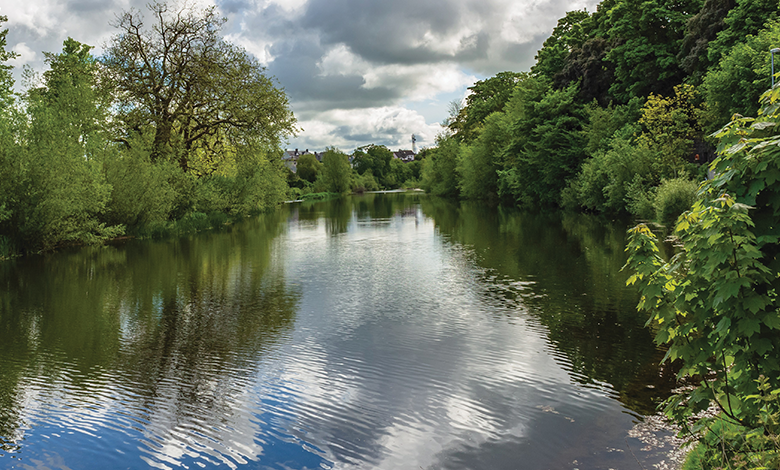
Despite improvements in some areas, water quality in Ireland is below the level it should be and is continuing to decline overall, a new report from the Environmental Protection Agency (EPA) has found.
Water Quality in Ireland 2019-2024 examines over 4,500 bodies of water, including rivers, lakes, canals, groundwaters, estuaries, and coastal waters.
The report identifies that 52 per cent of Irish surface water bodies are in satisfactory ecological health, with 39 per cent classified as good quality and 12 per cent as high quality.
This means that 48 per cent of Ireland’s surface water is below acceptable levels of ecological health.
These results represent a slight decline from the previous 2016-2021 report when 54 per cent of surface waters were found to be at a satisfactory level.
The ecological status of surface waters is assessed by reviewing the oxygen or nutrient concentrations of the water, as well as the range and abundance of the plants and animals that live in it.
Waters in high and good ecological status show only slight changes from natural conditions whereas bodies with poorer ecological status are more damaged by pollution or habitat degradation.
The level of water quality significantly varies by the type of water body, with coastal waters in a particularly strong condition, with 82 per cent achieving high or good ecological status.
Conversely, rivers and transitional waters were in the worst condition, with only 48 per cent and 30 per cent respectively found to have a satisfactory ecological status.
The quality of Irish groundwater is significantly better than that of surface water, with 93 per cent of groundwater bodies in good chemical status and 99 per cent in good quantitative status.
All surface water bodies failed to achieve good chemical status when the assessment included ubiquitous substances, which are found nearly everywhere in the environment and persist for years after use.
However, when ubiquitous substances are excluded from the analysis, 82 per cent of surface water bodies are in good chemical status.
Overall, in 2019-2024, compared to the 2016-2021 period, 71 per cent of monitored surface waters’ ecological status remained the same, 13 per cent improved, and 16 per cent declined.
The report states that the goal contained within the EU’s Water Framework Directive of restoring all waters to good status by 2027 will not be achieved.
Causes of pollution
The report identifies the run-off of nutrients, sediment, contaminants, and pesticides from agriculture, forestry, and urban environments as one of the main causes of pollutants in the surface water bodies.
Excess nutrients in the water can cause oxygen saturation to drop to a level that harms other aquatic life such as insects and fish.
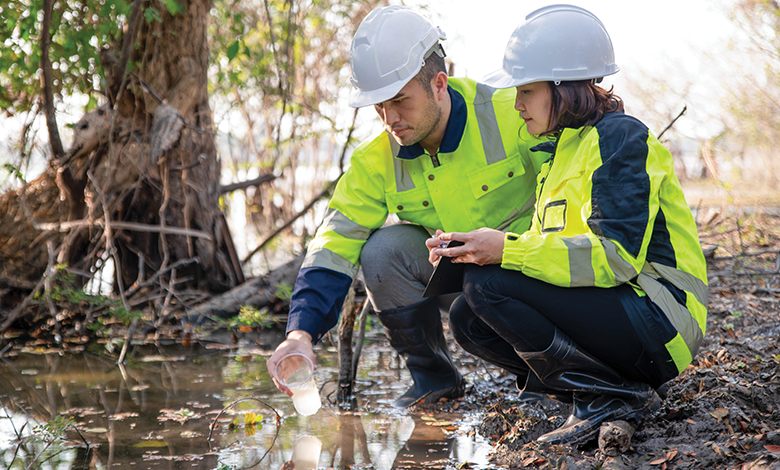
The nitrate concentration was found to be above acceptable levels in 44 per cent of rivers, while 32 per cent of lakes and 27 per cent of rivers have high phosphorus concentration.
Discharges of poorly treated sewage and activities such as land drainage, dredging, and the presence of barriers such as dams are also identified as significantly damaging to water habitats.
These barriers can block the movement of fish and other wildlife and alter natural sediment transport patterns, while land drainage and dredging can result in the loss of important habitats. The report found that over 450 water bodies were affected by these barriers and activities.
Areas of action
One of the key measures of the State’s plan to improve water quality are priority areas for action (PAAs) within which targeted measures are conducted by relevant stakeholders to achieve improved water health.
While ecological status has not yet improved in the PAAs, evidence shows that phosphorus concentration in these areas has declined significantly more than outside of them.
The report calls for action in these areas to be sustained to maintain this progress and for an assessment of the implemented measures and the related water quality to be conducted to determine the effectiveness of the actions.
The EPA also states that improved data sharing and integration between implementing bodies, water-quality programmes, and state agencies is needed to deliver improved water quality.
The report asserts that a regulatory framework for the protection of waters from hydromorphological pressures, which are physical and structural barriers such as dams or weirs that negatively impact natural water flows is urgently needed.
Additionally, the EPA says that the Government’s sixth Nitrates Action Programme, published in January 2026, “must deliver reductions in nutrient losses to our waters”.
Eimear Cotter, director of the EPA’s office of evidence and assessment, says: “Our rivers, lakes, and estuaries are the lifeblood of our landscape and support our ecosystems and our health and wellbeing. But they are struggling. They do not have the resilience to cope with the challenges they face, now and in the future.
“Surface water quality overall has been in decline since before the first of these assessments was carried out by the EPA in the late 2000s. It is very disappointing to report that water quality is not improving despite the many actions that are underway, across all sectors. It is clear the scale and pace of implementation needs to be increased and sustained.”