Delivering better public services
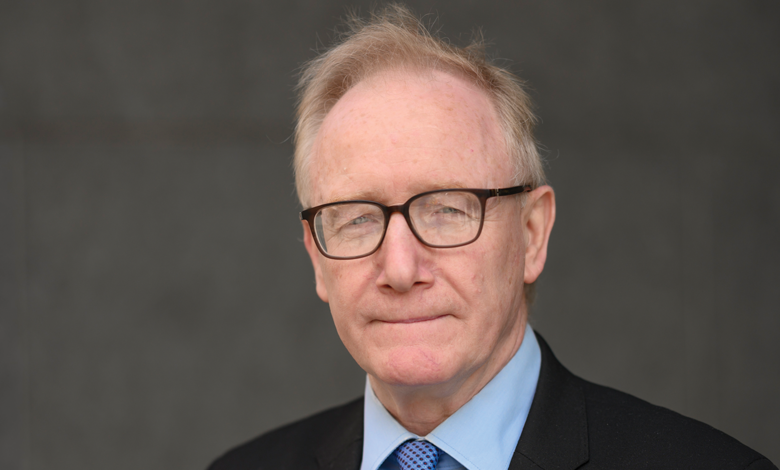
Frank Feighan TD, Minister of State at the Department of Public Expenditure, Infrastructure, Public Service Reform and Digitalisation with responsibility for Public Procurement, Digitalisation and eGovernment, outlines how digitalisation can help deliver public services that are “simple, responsive, and reliable”.
Minister of State Frank Feighan begins by stating that he understands the pressures of “meeting customer expectations, managing staff, adapting to change, and making decisions quickly and effectively” from his experience running businesses prior to entering politics.
“One lesson I learned is that people value systems that are simple, responsive, and reliable. That principle applies just as much in government as it does in business,” he says.
Feighan asserts that this is why the Government’s Better Public Services agenda is crucial. He continues: “At its core, Better Public Services is about putting people first.
“It is about designing support around the needs of citizens rather than around systems or organisational structures.”
Feighan says the agenda recognises that “many of the challenges people face do not fit neatly into one department or agency”. He elaborates: “Whether someone is starting a business, caring for a family member, retiring, or accessing supports, they want support that works together and is easy to navigate.
“They do not want to be searching around for hours to find the correct form or relevant department. We want to improve the relationship between the citizen and the State, and digitalisation is helping us do that.”
“Public services work best when they are shaped around the needs and experiences of the people using them.”
Digital Public Services Plan 2030
Under the Digital Public Services Plan 2030, the Government sets out objectives to ensure 100 per cent of key public services are available online by 2030, and that 90 per cent of those services are being consumed online.
“Importantly, this is not about forcing people online,” Feighan explains. “It is about making supports so accessible, efficient, and user-friendly that digital becomes the easiest option for most people, while always maintaining alternative supports for those who need them.”
The Minister of State asserts that good digital systems can reduce paperwork, cut duplication, speed up decision-making, and free up staff to focus on more complex and higher-value work.
Feighan asserts that digitalisation is changing how public services are organised around people’s lives. Stating that “people do not think in terms of government structures”, he says they “think about major moments in their lives”. Such moments include becoming a parent, starting a business, losing a job, retiring, or dealing with illness or bereavement.
“During those moments, public services should feel joined-up and supportive; not fragmented, confusing, or difficult to navigate,” says Feighan.
“That is why 189 services have now been mapped across 17 key life events, helping us build more connected and user-centred experiences across the public service.”
He identifies embedding accessibility and inclusion in systems from the beginning as another key priority. The Sligo-Leitrim TD says digital transformation must also work for older people, people with disabilities, and those with limited digital skills.
“When we design systems with inclusion in mind from the outset, we create better outcomes for everybody,” Feighan says.
Feighan identifies trust as “essential”, adding that people must know that their data is “secure, protected, and handled responsibly”. Continuing, he says: “That is why cybersecurity, privacy, and strong governance remain central to everything we do.”
Government Digital Wallet
Discussing the Government Digital Wallet, Feighan says it “has the potential to significantly improve how people interact with public services”. Explaining its function, he says: “The digital wallet will allow people to securely store and use official documents such as licences and certificates on their mobile device.”
The wallet is designed to make it easier for citizens to verify information, access supports, and avoid having to repeatedly provide the same documentation to different organisations.
Feighan asserts that the system is being designed around privacy, trust, and user control. He adds that participation will be voluntary and that individuals will maintain control of the information they choose to share.
“Public services work best when they are shaped around the needs and experiences of the people using them,” Feighan says.
Stating that public expectations will continue to grow in parallel with the evolution of technology, the Minister of State says: “Our job is to ensure the public service continues to evolve with them, while keeping inclusion and trust at the centre of everything we do.”
Concluding, he says: “If we keep people at the centre of this work, then digital transformation will not just improve how government operates, it will improve how people experience government in their daily lives.”