Navigating the water policy landscape
Water is arguably one of the most spread out policy areas by way of departmental leadership, with collaboration between three departments being particularly important to ensure that water is clean, drinkable, and scalable for Ireland’s growing housing and business needs.
The Department of Housing, Local Government and Heritage (DHLGH) is the lead department for water policy and water services in Ireland, with responsibility spanning drinking water, wastewater, freshwater quality, and significant aspects of marine and coastal waters.
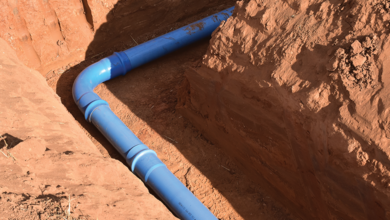
At the centre of its remit is the delivery of safe, reliable, and sustainable public water services. DHLGH sets the policy and legislative framework for Uisce Éireann, which is responsible for the operation and development of Ireland’s public drinking water and wastewater infrastructure. The department’s Water Services Policy Statement 2024-2030 sets out the Government’s strategic priorities, including the availability, reliability, safety, quality, and sustainability of public water services. DHLGH also oversees the policy and funding framework supporting investment in drinking water and wastewater infrastructure.
The Department has a central role in protecting and restoring Ireland’s water environment. It leads implementation of the EU Water Framework Directive through the River Basin Management Plan. The current Water Action Plan 2024 sets out measures for improving the quality of rivers, lakes, groundwater, transitional waters, and coastal waters. Its implementation involves measures addressing some of the principal pressures on Irish waters, including agricultural pollution, inadequately treated wastewater, and physical changes to water bodies.
DHLGH is also responsible for coordinating the Nitrates Action Programme, in collaboration with the Department of Agriculture, Food and the Marine (DAFM), as well as policy relating to domestic wastewater treatment systems, group water schemes, and rural water services. The sixth Nitrates Action Programme for 2026-2028 contains measures intended to reduce nutrient losses to water.
Its responsibilities extend into the marine environment through areas including bathing water, shellfish waters, and aspects of marine environmental policy. The Department therefore occupies a central position in Ireland’s water governance framework, working alongside DAFM, DCEE, the EPA, Uisce Éireann, local authorities, and other state bodies.
Department of Agriculture, Food and the Marine
DAFM has significant influence on water quality through agricultural policy, reflecting the importance of agriculture as a source of nutrient pollution in Irish waters.
Its responsibilities include implementation of measures under the Nitrates Action Programme and the Good Agricultural Practice regulations governing the management and application of nutrients and manure. These rules seek to reduce the quantities of nitrogen and phosphorus entering rivers, lakes, and groundwater from agricultural land. The current regulations restrict the application of livestock manure and set requirements around nutrient management and storage.
DAFM also works with DHLGH through the Agriculture Water Quality Working Group and the River Basin Management Plan’s sectoral action plans. Its Water and Agriculture programme brings together measures intended to improve agricultural water quality and support compliance with Ireland’s environmental obligations.
The Department’s influence is therefore less about managing water services directly and more about controlling one of the principal pressures on water quality. Agricultural policy, particularly around fertiliser use, nutrient management, and land management, is consequently an important component of Ireland’s overall water policy.
Department of Climate, Energy and the Environment
The Department of Climate, Energy and the Environment (DCEE) has responsibility for the broader environmental and marine dimensions of water policy. While DHLGH leads on water services and river basin
management, DCEE’s remit brings it into water policy through environmental protection, marine affairs, climate, and natural resources.
Its marine responsibilities are particularly significant. DCEE leads on Ireland’s implementation of the EU Marine Strategy Framework Directive, which establishes the objective of achieving good environmental status in European marine waters. Its marine environment and planning section is also responsible for marine protected areas and aspects of marine planning, including work associated with designated maritime area plans and offshore wind development.
The Department’s climate responsibilities also intersect with water through the need to adapt to climate-related risks, including changing rainfall patterns, flooding, drought, and pressures on water resources.
DCEE consequently has a stronger role in marine and environmental policy than in the provision of drinking water or wastewater services. Its remit also brings it into contact with bodies including the EPA, Inland Fisheries Ireland, and Geological Survey Ireland.
Other departments
Water policy cuts across a number of other government departments, reflecting the links between water, public health, infrastructure, agriculture, transport, and land use.
The Department of Health has an interest in drinking water quality from a public health perspective. Safe drinking water is an important component of disease prevention and public health, although the principal policy responsibility for public water services rests with DHLGH.
The Department of Public Expenditure, Infrastructure, Public Service Reform and Digitalisation has an important role through the State’s capital investment and expenditure frameworks. This is particularly relevant to the substantial investment required in drinking water and wastewater infrastructure.
The Department of Transport has a more specific relationship with water through maritime transport, ports, and shipping, where activity can have implications for the marine environment.
The Department of Rural and Community Development and the Gaeltacht also has relevance to rural water services and community schemes, while the Office of Public Works has an important role in flood-risk management and hydromorphology. Within the wider system, however, these departments operate alongside rather than above DHLGH’s central water policy role.