Budget 2027: Building on reform

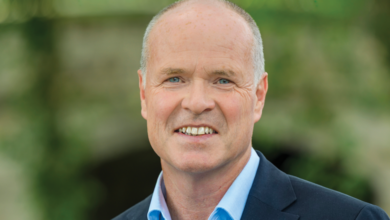
Every budget is a chance to strengthen Ireland’s long-term resilience, but too often the debate is dominated by short-term measures rather than the structural reforms that will shape our economic future, writes Moyagh Murdock, CEO of Insurance Ireland.
Ireland is navigating a period of profound change. Geopolitical uncertainty continues to reshape global markets, climate change is increasing the frequency of extreme weather events, our population is ageing, healthcare costs are rising, and demands on public finances continue to grow. At the same time, Ireland must remain internationally competitive while supporting households and businesses in an increasingly complex risk landscape.
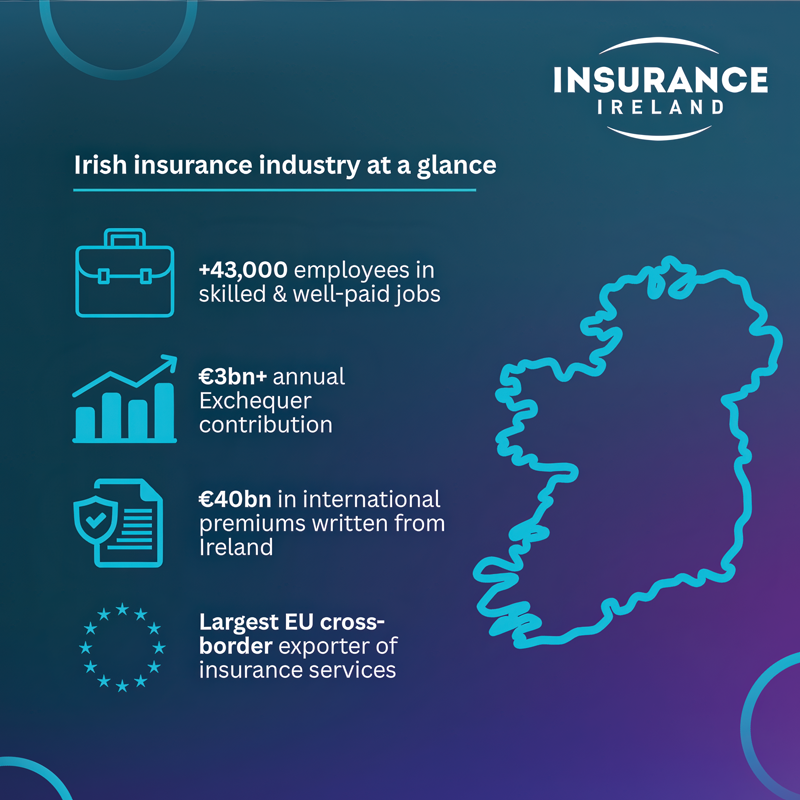
Insurance is sometimes seen through too narrow a lens; usually as a household bill, a business cost, or a political pressure point when premiums rise. But in reality, it is part of the machinery that allows the economy and society to function. It supports lending, investment, enterprise, transport, healthcare, climate resilience, and retirement planning.
That is why Insurance Ireland’s pre-Budget 2027 submission is about much more than the sector. It sets out practical proposals on affordability, investment, climate adaptation, legal costs, health costs, and long-term savings; areas where good policy choices can reduce pressure on households, businesses, and the State.
Importantly, this is not a call to begin reform. It is a call to build on the progress already made.
Recent years have shown what can be achieved when government, regulators, and industry work together. Personal injury reforms have begun to reshape the claims environment, while the Motor Insurance Transparency Code has given consumers greater clarity on how premiums are calculated, helping to build trust.
Similarly, the ‘right to be forgotten’ legislation is an important milestone for cancer survivors seeking mortgage protection insurance. Insurance Ireland introduced a voluntary code of practice ahead of legislation, recognising that those who have recovered from cancer should not face unnecessary barriers to financial protection. The legislation now places that principle on a statutory footing.
These reforms show that evidence-based policymaking, supported by genuine partnership, delivers results. Budget 2027 should continue that momentum.
One area where this is particularly important is long-term savings and investment.
Irish households continue to hold substantial wealth in low-interest cash deposits while participation in long-term investment remains comparatively low. At the same time, Ireland faces significant investment needs, from housing and infrastructure to financing the green transition.
Insurance Ireland has long advocated for the introduction of a personal investment account (PIA), modelled on successful international savings vehicles. The Government’s commitment to introducing a PIA is welcome. However, its success will depend on ensuring consumers have genuine choice.
Insurers have decades of experience helping people save and invest for the long term and should be recognised as providers alongside other financial institutions. A level playing field will strengthen competition, consumer choice, and long-term financial resilience.
Creating a stronger savings culture must also be supported by a tax system that encourages investment. Aligning the taxation of life assurance products with other investment vehicles, removing the eight-year deemed disposal rule and abolishing the 1 per cent Life Assurance Levy would create a simpler savings landscape and encourage greater participation.
The same long-term thinking should underpin retirement policy. Automatic enrolment is a landmark reform, but only the beginning. Addressing the gender pension gap, supporting people whose careers are interrupted by caring responsibilities, and ensuring retirement policy keeps pace with demographic change will be essential to delivering sustainable retirement incomes.
Climate resilience presents another challenge that cannot be postponed. As flooding becomes more frequent and severe, the long-term availability and affordability of insurance will increasingly depend on investment in adaptation and prevention.
Insurance Ireland is therefore calling for a national approach that combines investment in flood defences with practical measures to improve property-level resilience. Proposals such as a sustainable flood insurance fund and a dedicated flood adaptation scheme recognise that protecting communities requires partnership between government, local authorities, and industry. Prevention will always be more effective and less costly than recovery.
Affordability also depends on addressing the underlying drivers of insurance costs. While personal injury reforms have reduced compensation levels, legal costs remain disproportionately high and continue to place upward pressure on premiums. Introducing fixed legal fee scales, encouraging greater use of the Injuries Resolution Board and ensuring future reviews of personal injury guidelines are grounded in robust evidence would create a more efficient claims environment while maintaining fair outcomes.
Healthcare presents a similar challenge. As medical inflation continues to increase the cost of private health insurance, targeted measures can help maintain affordability. Incrementally increasing the cap on tax relief at source, supporting younger people to enter and remain in the market and removing benefit-in-kind tax on employer-provided dental insurance would strengthen participation while improving access to preventative care.
Budget 2027 is about creating a policy environment that is predictable, proportionate, and forward-looking. Encouraging investment, strengthening climate resilience, simplifying regulation where appropriate, and investing in skills will help ensure Ireland remains an attractive place to live, work, and do business.
When insurance works well, it is almost invisible: homes are bought, businesses open, goods move, employers take risks, and communities recover. When it does not, the consequences are felt quickly across the economy and by the State.
Budget 2027 is an opportunity to make choices that strengthen Ireland’s resilience, competitiveness, and prosperity. The insurance sector is ready to play its part, but it needs a policy environment that sees insurance not as an afterthought, but as part of the solution.