
What Orbán’s ousting means for the EU
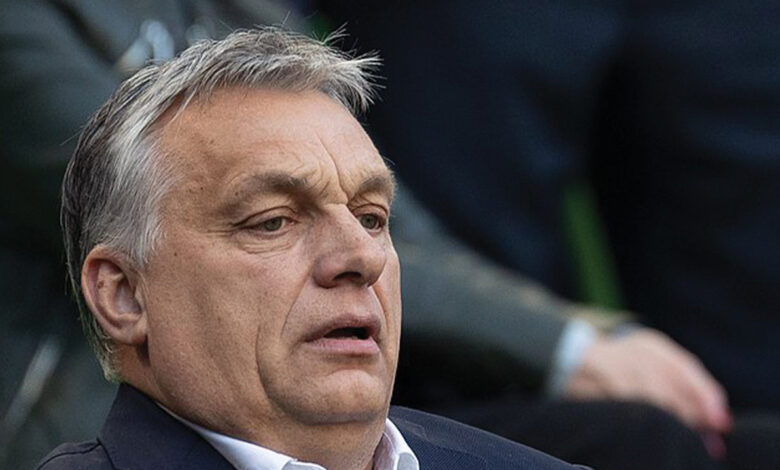
On 12 April 2026, the people of Hungary ousted Viktor Orbán’s far-right Fidesz party in a landslide victory for pro-European conservatives Tisza. Tisza’s leader, Péter Magyar, is set to become the Hungarian Prime Minister.
The ousted Prime Minister may only have led a small central European country, but his influence spread far and wide and his ‘illiberal democracy’ model has formed the basis for right-wing populism throughout the democratic world, with Donald Trump, Recep Erdogan, Jair Bolsonaro, and other similar figures citing Orbán as an inspiration for their politics.
Magyar espouses a similar ideology on numerous issues. Although his opposition to EU aid funding for Ukraine is significantly softer than Orbán, he has indicated that his government will oppose fast-tracking Ukraine’s bid to join the European Union.
On immigration, Magyar has stated that the EU has “mismanaged” immigration, accusing leaders in Brussels of having decided “rather late” to change the EU’s initial refugee policy amid the refugee crisis in 2015 when over one million people arrived in Europe seeking refugee status.
Since 2015, EU policies have moved in a more hardline direction following a deal with the Turkish Government which limits border crossing in exchange for significant EU financial aid. This has resulted, for example, in growing support for offshore migration centres and tougher deportation orders.
Magyar’s election has been welcomed across the EU and signals a shift towards more unity within the EU as Hungary’s close diplomatic ties with Vladimir Putin and Donald Trump appear to be coming to an end.
Speaking to The Guardian, Daniel Hegedüs, senior visiting fellow at the German Marshall Fund, said that Magyar is “a national conservative EPP guy”, referring to Magyar’s membership of the centre-right European People’s party. Hegedüs adds: “I think he understands that his political future and success is in some way tied to the re-democratisation of Hungary.”
Whether the election of a new administration in Budapest signals a shift away from populism in European politics is still highly unclear, as Italy is governed by a right-wing populist government, and the prospect of populist right governments taking power abounds in many member states as well as Britain.
Furthermore, the sheer amount of time Orbán has spent in power will mean that many of Hungary’s national institutions will require a similar kind of restacking exercise currently underway in Poland.
Polish Prime Minister Donald Tusk took over his country in similar circumstances to Magyar in 2023 and has frequently spoken of the “depth of institutional damage” by the rule of Poland’s previous right-wing government.
At the time of writing, Magyar is still to be formally invited to form a government by the Hungarian President Tamás Sulyok, who was appointed by Fidesz. In Poland, many of Tusk’s efforts to end the institutional bias for conservatives have been subverted by its President, who is a supporter of the former right-wing government. Magyar has called for Sulyok to resign as President.
Despite this, the fact that Magyar has secured a supermajority in the Hungarian Parliament means that he will have the authority to change the constitution of his country and will likely make it easier than Tusk’s efforts in Poland.
Overall, the election of Magyar signals that Hungary is likely to re-enter mainstream European politics and shows the broad backlash to the influence of both Donald Trump and Vladimir Putin in the continent.
However, whether this remains the case and leads to a similar backlash against right-wing populist politics across the continent will likely depend on how living standards evolve over the coming years. This remains unpredictable due to the fact that many of the key issues in European politics such as cost-of-living and global conflict, are being driven by the United States, Russia, Israel, and Middle Eastern states who do not value Europe’s input.