
The elections which could shape the Middle East
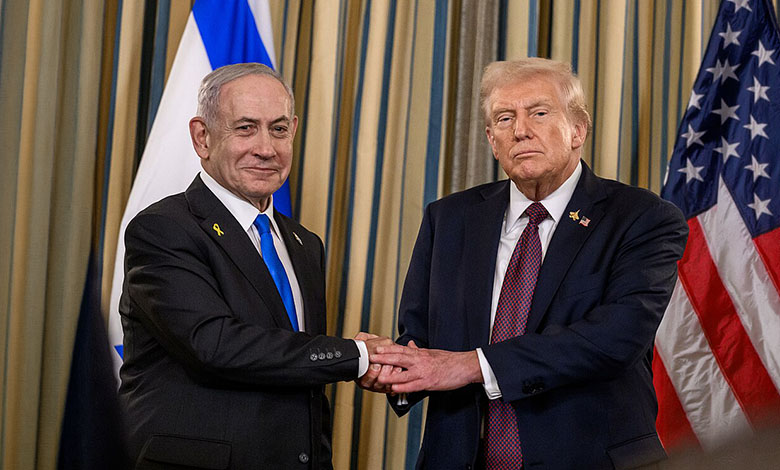
In late-October and early-November 2026, voters in Israel and the United States respectively will head to the polls, with the future of the Iran War and the Gaza Genocide in the hands of the two states’ electorates.
The first election to take place is in the State of Israel. Israeli politics has been dominated by the Gaza Genocide since October 2023, after Hamas-led militants attacked Israeli civilians.
In Israel’s genocidal war, the Gaza Health Ministry estimates that more than 74,000 people have been killed, the majority of whom are women and children. A study by The Lancet estimates that the total death toll, including both direct and indirect deaths, could be 186,000 or more.
The other key issue is support for and opposition to Benjamin Netanyahu and his far-right allies, Itamar Ben-Gvir and Bezalel Smotrich, whose respective parties, Jewish Power and the Religious Zionist Party, have helped prop up Netanyahu’s Likud-led government. Netanyahu remains on trial in the Israeli courts, facing allegations of corruption.
Support for the Israeli Government’s actions in Gaza remains high in the State of Israel, with polling indicating widespread support among Jewish Israelis for hardline policies towards Palestinians. A poll reported by Israeli newspaper Haaretz indicates that 82 per cent of Israeli Jews support expelling the entire population of Gaza.
The 2026 election was also mired in controversy after Israel’s Central Elections Committee voted to disqualify Arab-majority parties from standing, although the Supreme Court later overturned the disqualifications.
Polling suggests that neither the Netanyahu-aligned right-wing bloc nor the opposition is on course to secure a majority in the 120-seat Knesset. The opposition includes Yashar, the Democrats, Yisrael Beytenu, and the Together alliance, although these parties do not form a single unified coalition.
Their positions on the Palestinian question differ. While some opposition parties support diplomatic solutions and regional cooperation, others take more hardline positions on Palestinian statehood. The election is therefore unlikely, by itself, to guarantee a fundamental change in Israeli policy towards Palestinians.
US mid-terms
Moderately more likely to result in change for the Palestinians is the prospect of political change in America. Opposition to Israeli influence in American politics has contributed to growing criticism of the United States’ long-standing ally.
Pro-Palestine candidates include Michigan Senate candidate Abdul El-Sayed, alongside Democratic candidates elsewhere who have called for changes to US policy towards Israel.
CNN analysis on 12 October 2026 gives Democrats a 67 per cent chance of winning control of both houses of Congress. Republicans currently hold a 53-47 majority in the Senate and a narrow majority in the House.
US President Donald Trump’s approval rating has fallen amid inflationary pressures exacerbated by the Iran War and growing criticism of American support for Israel.
While fundamental change in the Middle East will require a radical shift in US foreign policy, a Democrat-controlled Congress will likely limit Trump’s ability to act with impunity in the Middle East following the 3 November elections.