Homes made future-proof: Retrofitting at Tuath Housing
Tuath Housing is Ireland’s largest approved housing body (AHB), now managing over 17,500 homes across the country. The organisation has grown in scope as well as scale in recent years; putting sustainability at the centre of our homes.
“We understand the responsibility we have to lead by example,” says Jennifer Whitty, Sustainability Manager at Tuath. “We are ambitious in our aim to provide secure, quality homes in vibrant communities; while also reducing impact on our planet.”
Tuath’s dedicated sustainability team supports colleagues across the business to embed this core principle in all operations. With energy efficiency a key aim for reducing reliance on fossil fuels and lowering greenhouse gas emissions, Tuath has been evaluating its older housing stock and has embarked on an ambitious programme of retrofitting.
Impact through energy efficiency
Tuath’s Energy Upgrade Programme brings together two core priorities: improving quality of life for residents and supporting Ireland’s climate goals. By enhancing the energy efficiency of its homes, Tuath aims to reduce carbon emissions, lower energy costs for residents and future-proof its housing stock.
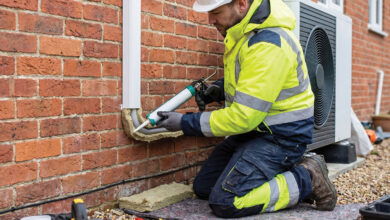
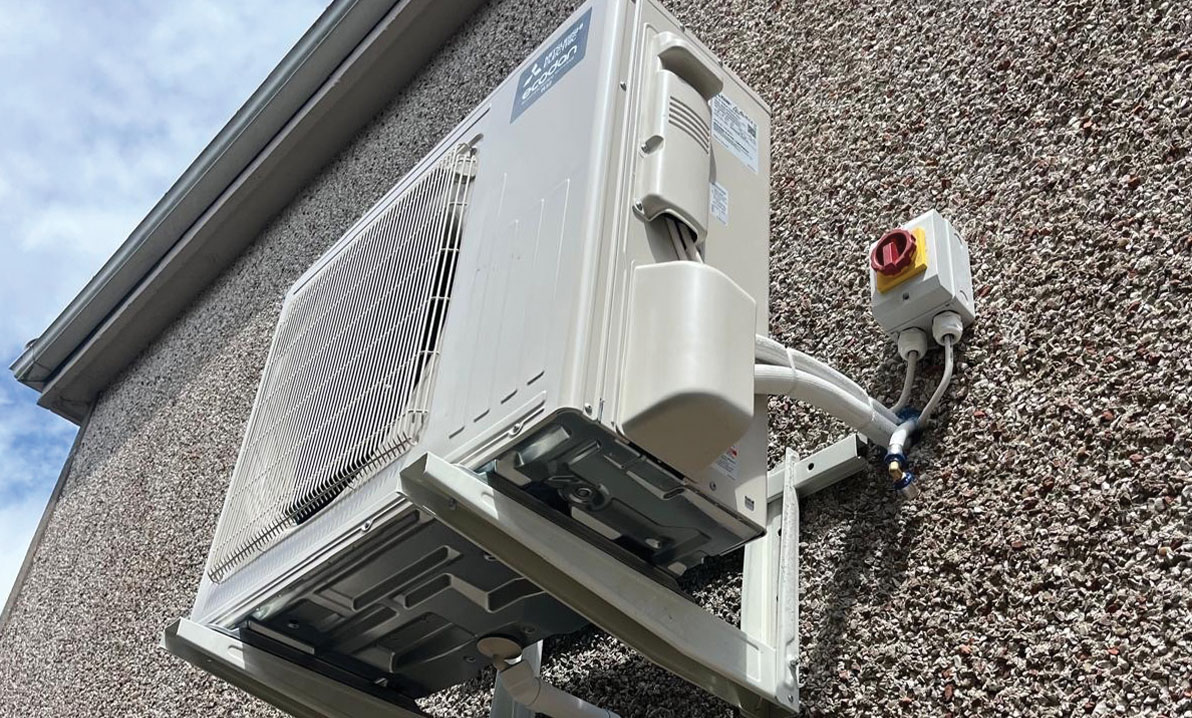
By end of 2025 Tuath had completed 711 cumulative retrofits. Works include replacing traditional gas central heating systems with air-to-water heat pumps, installing new windows and doors, insulating homes and adding solar panels. The latest figures show that 88 per cent of Tuath-owned homes now have a minimum BER rating of B2, while 81 per cent of Tuath-owned homes have a BER A+ rating, an increase of 5 per cent on the previous year. Looking ahead, the organisation has committed to upgrading its owned housing stock to a minimum BER of B2 by 2030.
“We are very pleased with the quality of work delivered through the retrofit programme, which has improved the quality of homes and increased comfort levels for our residents,” says Paul Grennan, Building Services Engineer with Tuath.
“Collaboration with the Sustainable Energy Authority of Ireland (SEAI) and our retrofit contractors has been key to the programme’s success; helping to minimise disruption and ensure residents are supported in adapting to new technologies such as heat pumps.”
Learning from experience
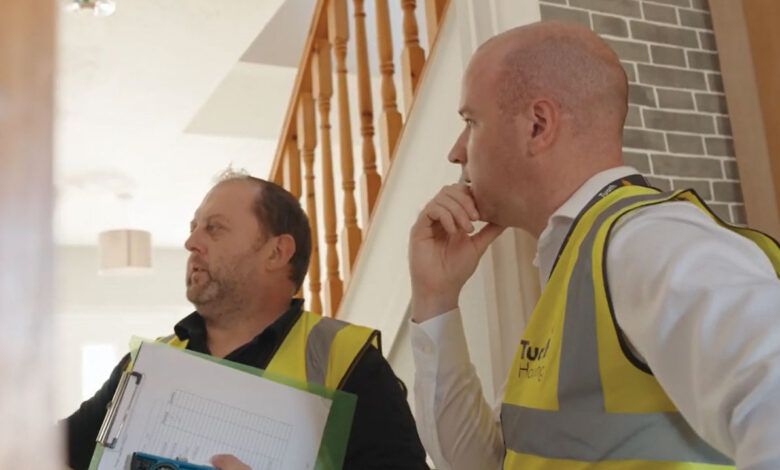
With the energy upgrade programme growing, Tuath is now focusing on the lessons it can draw from the retrofitting journey to date. Whitty and her team have commenced a detailed impact assessment, examining the technical performance of retrofitted homes and capturing stakeholder feedback.
“We want to gain deeper insight into what works well, and where there are opportunities to improve the experience for everyone involved,” she explains.
Tuath has invested heavily in retrofits, spending over €3.3 million on energy upgrade works in 2025 alone. The assessment will capture the impact of this investment on energy efficiency within homes. It will also examine how retrofits are experienced in practice, including resident understanding of new heating systems, concerns around energy costs and the level of disruption during works.
Initial findings are promising, with residents reporting warmer homes, fewer draughts and reduced noise following fabric and heating upgrades. There is also evidence of reduced energy consumption and running costs.
Sustainability Coordinator Caoimhe Magee, one of the project leads, says resident feedback is central to the future success of the programme.
“Capturing our residents’ experience is crucial as we continue to upgrade our housing stock,” she says. “We want to understand the positive impact that retrofitting has had and apply those lessons as the programme continues to grow.”
Collaborating to overcome challenges
Upgrading older housing stock is recognised across the public housing sector as essential but is not without it its challenges. Cost is a primary challenge, making collaboration with sector and statutory partners critical. Tuath has worked closely with fellow AHBs in the Irish Council for Social Housing (ICSH) and the Housing Alliance, alongside government partners including the Department of Housing, Local Government and Heritage, the Department of Climate, Energy and the Environment and the SEAI, to ensure continued funding.
Tuath recently welcomed the SEAI’s announcement of a boost in funding for retrofits for AHB homes later this year. Under the National Residential Retrofit Plan 2026, grants for energy upgrades for AHBs will be increased to around 75 per cent of the overall cost, rising to around 80 per cent for homes facing fuel poverty. Together with the support available from obligated parties under the Energy Efficiency Obligation Scheme (EEOS), this could provide AHBs with funding in excess of 90 per cent of the cost of projects. It is a hugely positive step, according to Whitty.
“This outcome is testament to what can happen when sector partners come together to address common challenges in tackling climate change,” she says.
“Our external stakeholders not only listened but took action, enabling AHBs to access greater grant funding, making a real impact on decarbonisation of the sector.”
Another challenge is that carrying out energy upgrades at scale is a relatively new piece of work for AHBs. Again, sector collaboration is essential in overcoming gaps in knowledge.
“The sector is at the beginning of its retrofitting journey, but the strong working relationships and exchange of knowledge between peers gives me full confidence that our sector can contribute meaningfully to Ireland’s national climate targets,” says Whitty.
W: www.tuathhousing.ie