Designing inclusive and accessible public services
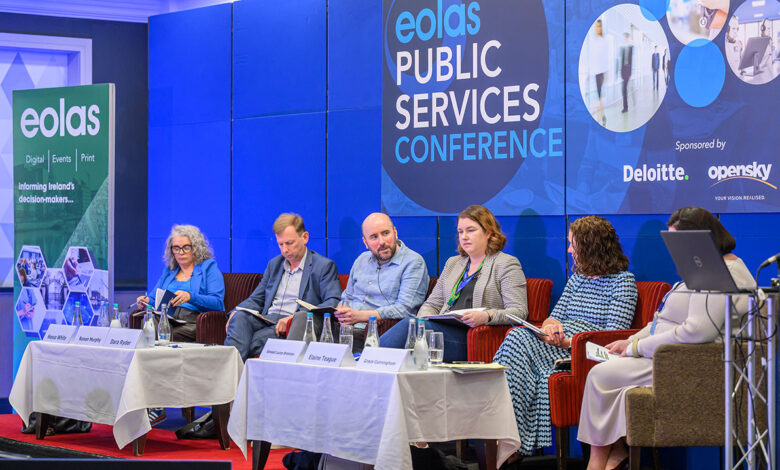
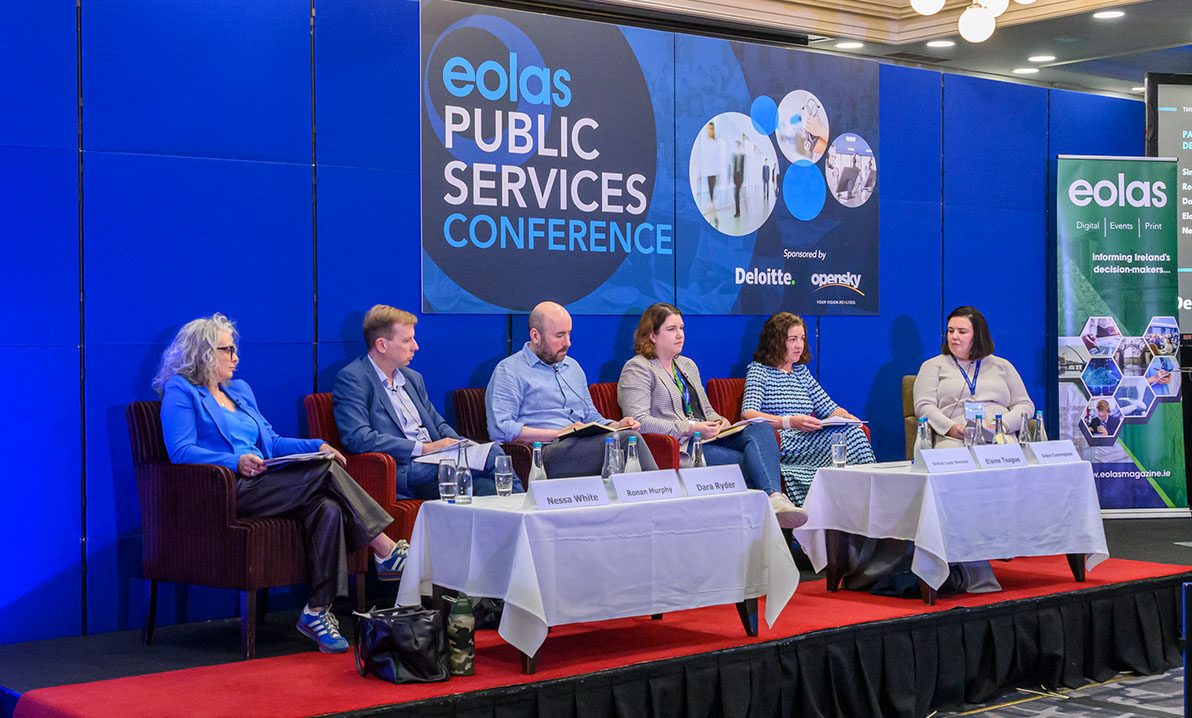
At eolas Magazine’s annual Public Services conference, experts discussed how to design inclusive and accessible public services.
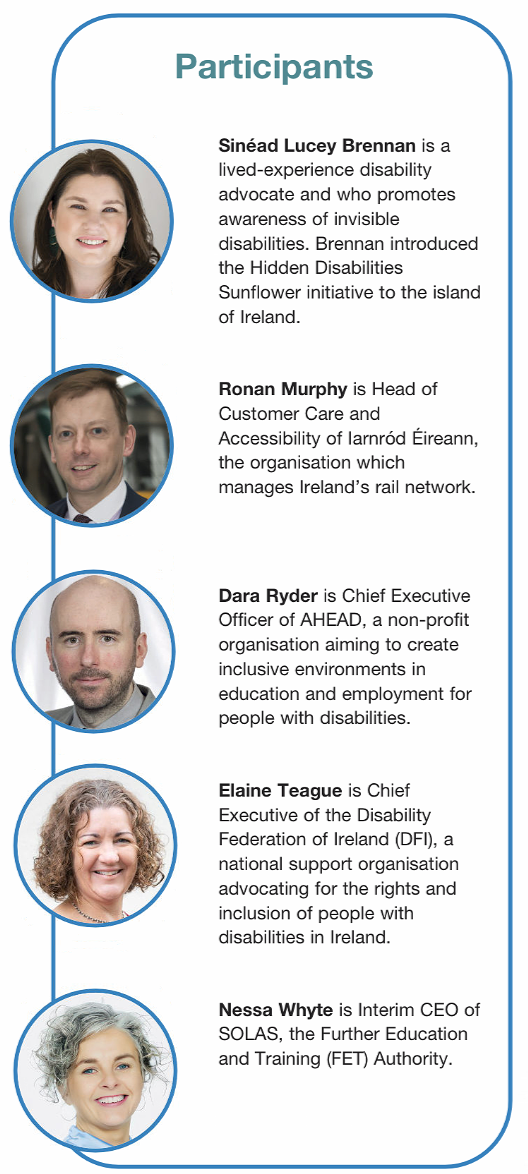
How can we ensure inclusive design in public services?
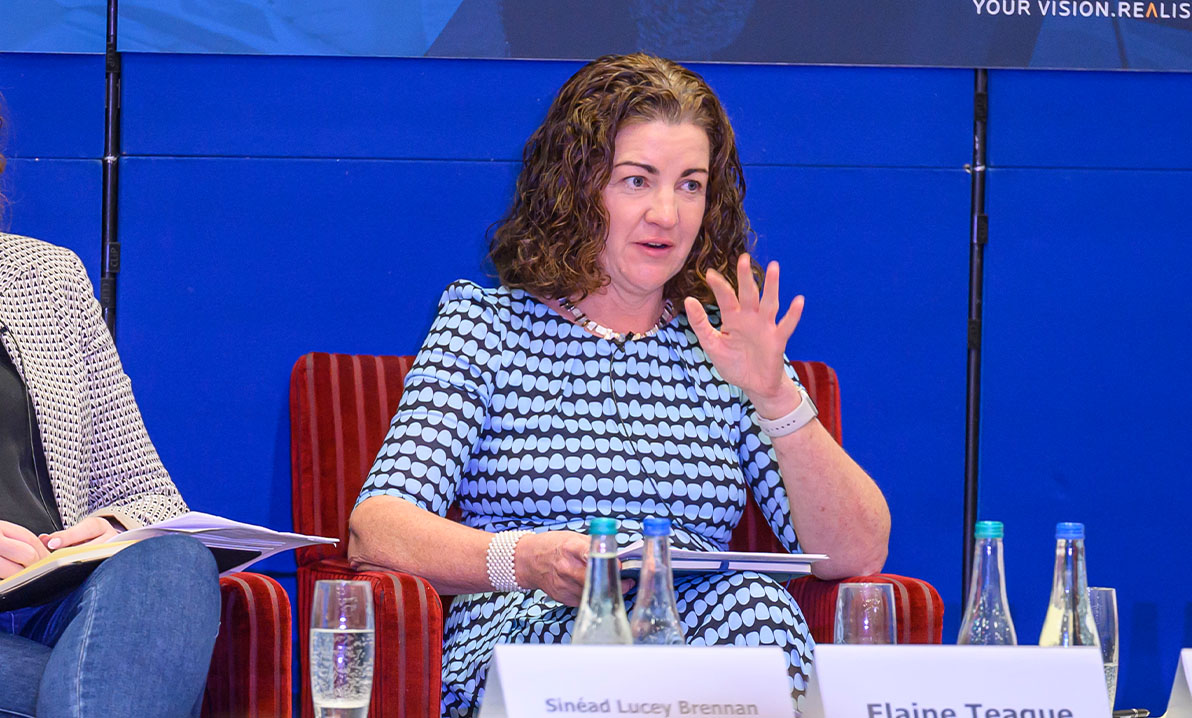
Elaine Teague
Initially, accessibility focused on physical access but over time, we have added subtitles, Irish Sign Language interpretation, and other supports. We have been on a journey towards inclusion. Public services are for everybody. If we design for everyone, everyone is included. If we design for only one part of the population, we inevitably have to retrofit later. The challenge now is moving beyond physical spaces. We broadly understand physical accessibility with the introduction of ramps, doors, and accessible bathrooms. Now, we need to think about communication, policy design, engagement, and decision-making.
Dara Ryder
Ireland has one of the lowest disability employment rates in Europe, which is deeply concerning for a wealthy and progressive country. Addressing this is one of the biggest inclusion challenges of the next decade. In many workplaces, there are far more disabled people than employers realise, but people do not disclose due to fear or lack of trust. They are constantly weighing the cost-benefit of disclosure. When we create environments where people feel safe to be open, we unlock lived expertise that directly improves design decisions. We see this increasingly through disability employee resource groups, which play a real role in shaping organisational policy.
Ronan Murphy
For us, consultation starts at the very beginning of any project. We involve disability user groups from the outset. A recent example is our wayfinding project across 147 stations. We developed several design options, discussed colour contrast and usability with our accessibility groups, piloted signage in stations, gathered feedback over a two-month period, and then refined the final design based on lived experience.
Sinéad Lucey Brennan
Feedback mechanisms must accommodate diverse communication needs and have things like extended survey times, phone conversations, written submissions, and accessible formats. These are not ‘nice to haves’; they are civil rights. If people feel heard and see action, trust is built. Disabled people should be paid and valued as professional consultants; not expected to contribute for free.
Nessa Whyte
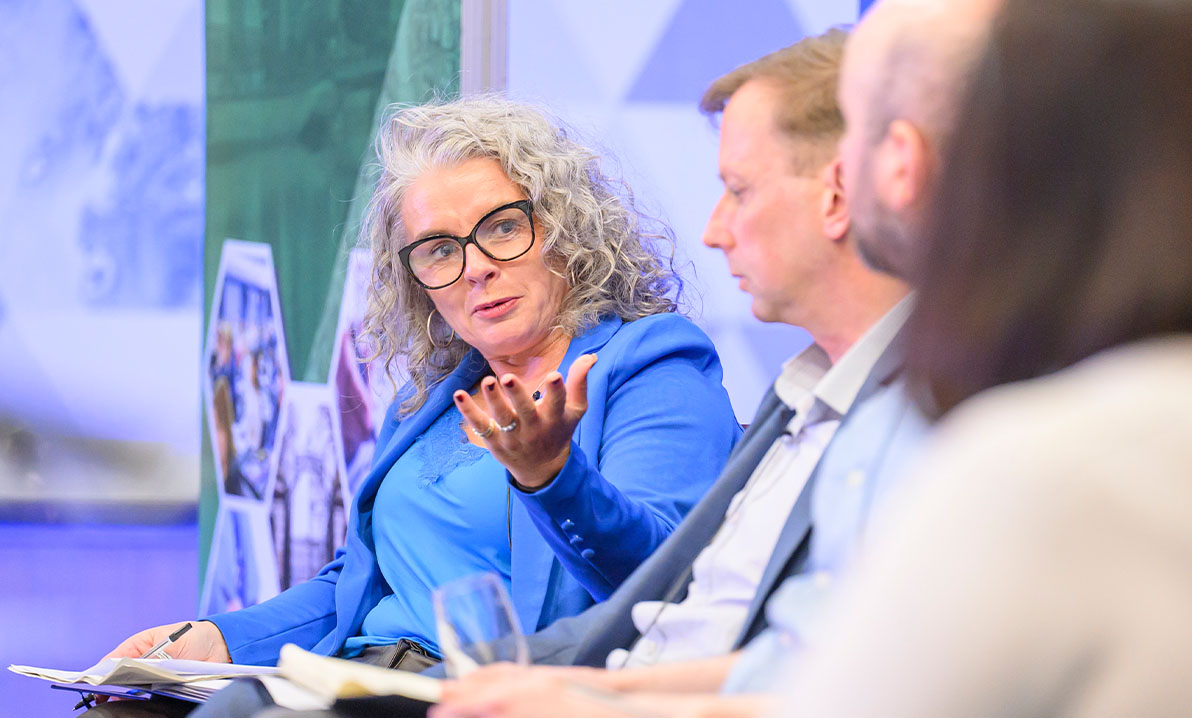
Inclusive design requires listening to the people who experience barriers every day. It is important to involve disabled people not just in consultation but in decision-making at every level from strategy to policy and operational design. Small details, like clear signage, font size, and seating arrangements, can make a big difference. Co-design ensures solutions are practical and meaningful rather than theoretical.
As more services move online, what steps can organisations take to ensure services remain accessible across both digital and physical systems?
Elaine Teague
We must retain offline options. While digital capacity is built, people must still be able to engage in person. Otherwise, we risk excluding people further. EU legislation, including the European Accessibility Act and AI regulation, is also pushing us to be more careful and inclusive in digital design.
Dara Ryder
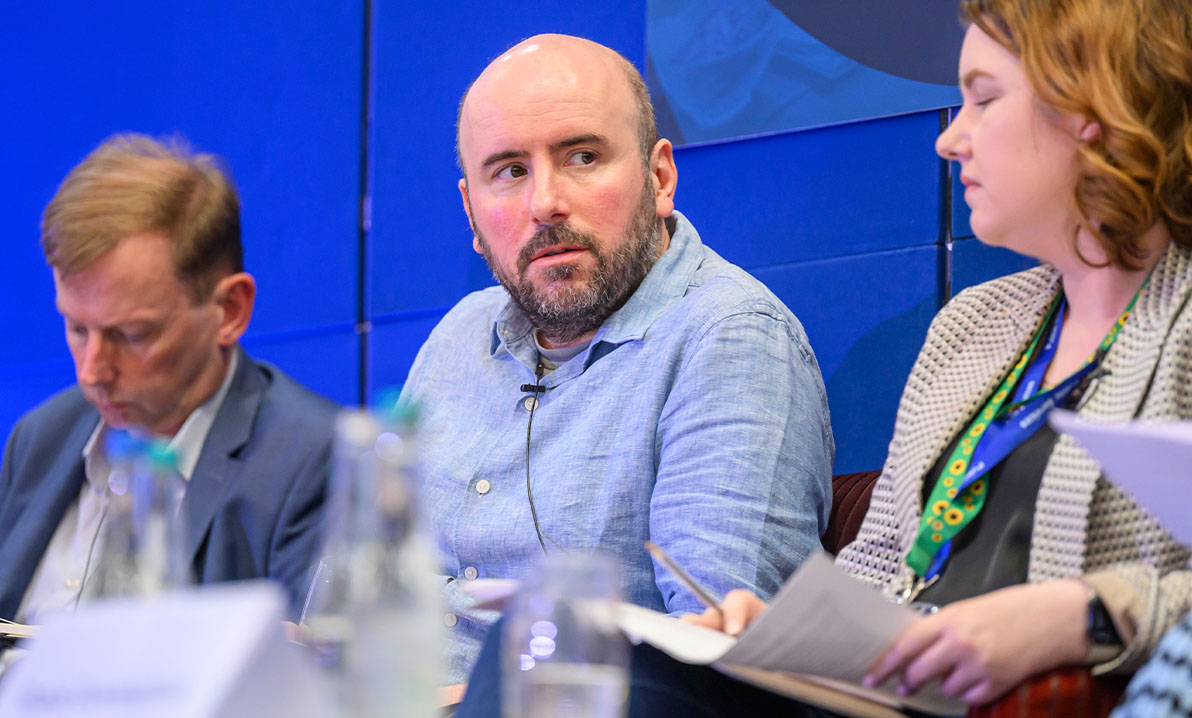
Inclusion must be operationalised. It is not one person’s responsibility, it must be embedded across systems. Digital accessibility is highly measurable. We have clear standards through the Web Content Accessibility Guidelines, which are written into law for public services. This requires skilled IT teams, accessibility audits, and user testing. It also requires training content creators, but most people can learn accessible content design in a day.
Nessa Whyte
Digital accessibility must consider real-world usage. People have different devices, internet access, and digital literacy levels. Online services need to be intuitive, compatible with assistive technologies, and provide alternatives like phone or in-person options. Accessibility is only meaningful when it works for all users, not just in theory.
How can organisations best learn from the people who use their services?
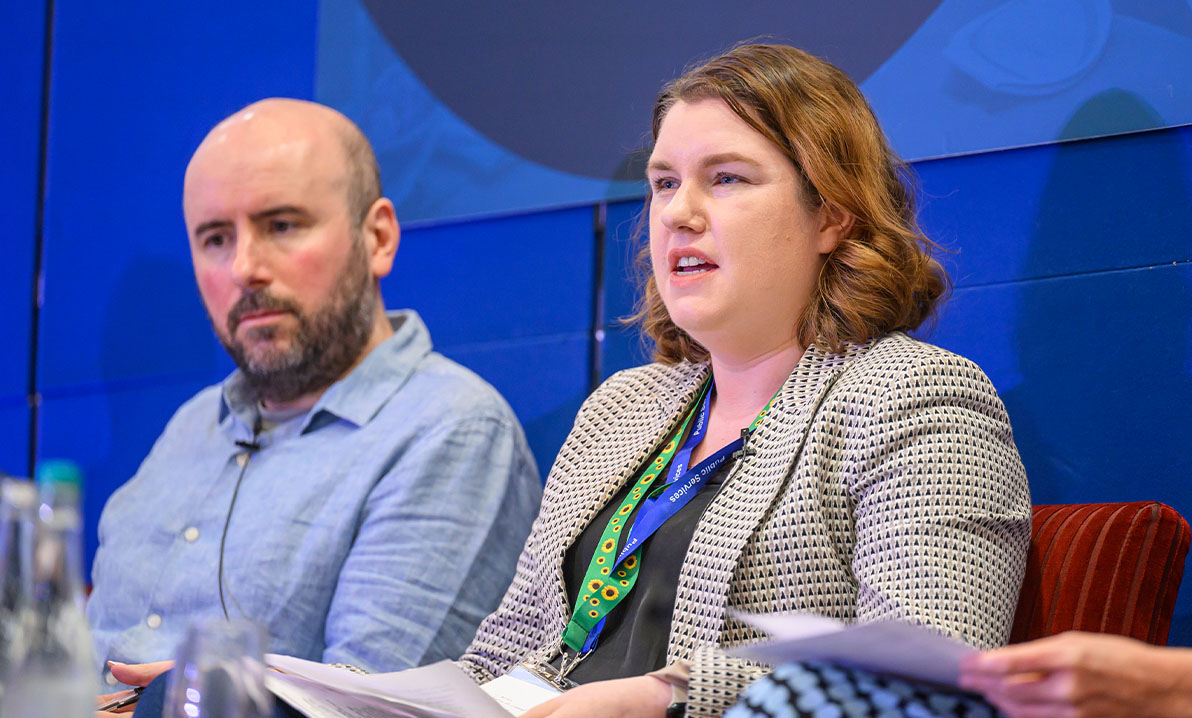
Sinéad Lucey Brennan
Structured participation is key. Consultation must be meaningful and lead to action. Feedback mechanisms must be flexible to meet diverse needs such as surveys, phone calls, written submissions, and other accessible formats. People need to feel their inputs shape change. Professionalising the role of disabled consultants is important. People should be valued, recognised, and compensated for their expertise.
Elaine Teague
Outcomes must be measured, not just processes. Policies should result in tangible improvements in access, engagement, and quality of life. Ask disabled people directly if measures are making their lives easier. Employment, transport, and education are all areas that should feature in outcome measurement.
Dara Ryder
Some things are measurable; some are qualitative. We must be careful not to force disclosure. Universal design should reduce the need for people to identify themselves as ‘different’. Better data sharing, within GDPR limits, can help us understand what is working nationally.
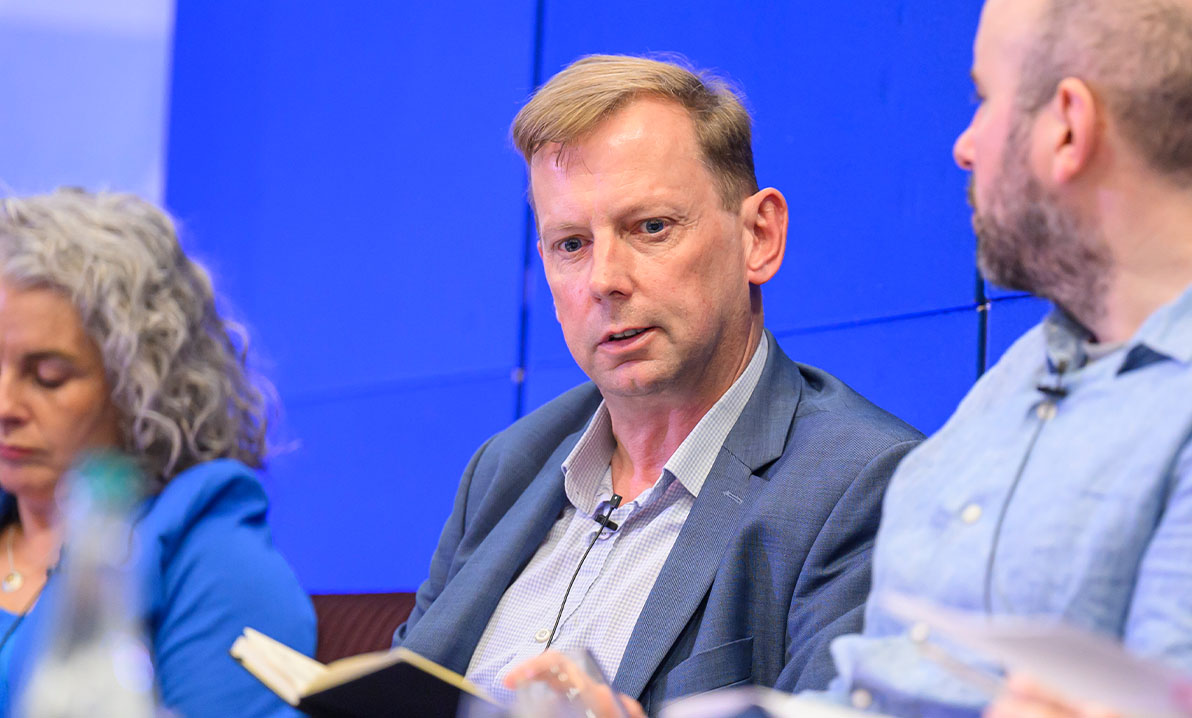
Ronan Murphy
We use customer satisfaction surveys, mystery shopping, and direct engagement with user groups. We also track assisted journeys. Consultation must lead to action. Otherwise, it is meaningless.
How can we measure progress and ensure best practice?
Elaine Teague
We must focus on outcomes. Policies must translate into better lives, not just processes. Ask disabled people if life is easier and assess the areas that matter most such as employment, transport, and education.
Sinéad Lucey Brennan
We need to move beyond counting ramps and accessible toilets. Real participation matters. We need to find out are disabled people using services at the same rate as others? Are complaint rates dropping? Are completion rates improving? This is vitally important because universal design benefits everyone.
Nessa Whyte
Learning from service users requires ongoing dialogue. One-off surveys are not enough. Organisations should embed feedback loops into everyday operations, document how changes are implemented, and communicate back to users. This builds trust and ensures solutions reflect real needs.