COP30: No fossil fuel phase out
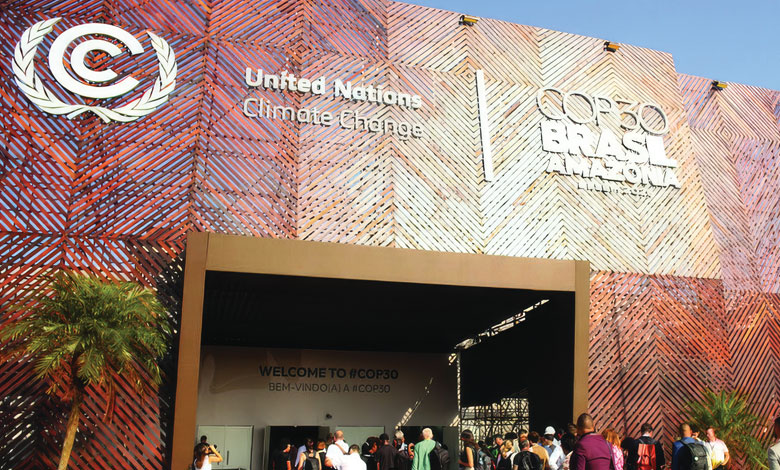
The annual UN climate summit which was hosted in the mouth of the Amazon rainforest in Belém, Brazil in November 2025 made some gains on climate adaptation but ultimately fell short in phasing out fossil fuels.
Following late-night negotiations which took the event past its deadline, a compromise deal was finally agreed between delegates from nearly 200 countries. The source of most contention at the summit was debate over a roadmap for the end of fossil fuels. This was an attempt to build on the agreement at COP28 to “transition away from fossil fuels” which had been rolled back on at the 2024 summit in Baku, Azerbaijan.
More than 80 countries including Ireland, the EU member states, and the UK supported a roadmap for phasing out fossil fuels to be agreed on at the summit. However, they faced strong opposition, with 1,600 fossil fuel representatives attending the event along with delegates from states who hope to continue their use of coal, oil, and gas. Ultimately, the final agreement secured at COP30 makes no reference to fossil fuels at all.
This was the first COP summit since the return of Donald Trump as US President, and his administration refused to send any high-level delegates to the event, reflecting the climate change denialism expressed by Trump on numerous occasions. In a speech at the UN General Assembly in September 2025, Trump described climate change as the “world’s greatest con job”.
The most significant proposals agreed to at the summit related to climate adaptation, including a call for financing to triple by 2035 and agreement on the list of indicators used to measure adaptation progress. Although both were weaker than many states had hoped for, they represent a commitment to tackling the effects of climate change.
Minister for Climate, Energy, and the Environment Darragh O’Brien TD gave reluctant support, but said the agreement “falls short of meaningful ambition on the most critical issue of our time; reducing emissions to mitigate the worst effects of climate change”, adding: “In particular, it fails to include a credible roadmap for the phase-out of fossil fuels.”
Minister O’Brien added that “we look forward to continuing work, outside of the COP process, with the EU and other international partners on shaping a roadmap for the energy transition and the phase-out of fossil fuels”.
To this end, the Government pledged €15.2 million in funding for Irish climate finance partners including €10 million to the Adaptation Fund for 2026. This multilateral fund finances projects that help vulnerable communities in developing countries adapt to climate change, which will become increasingly necessary in a world which refuses to leave fossil fuels behind.